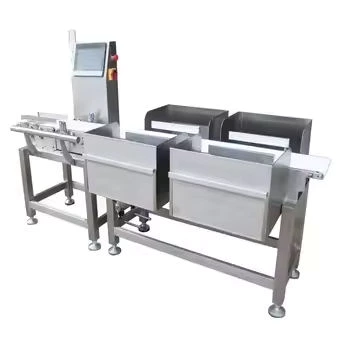
NG-112

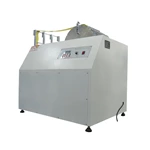
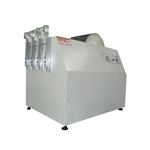
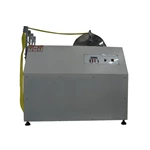
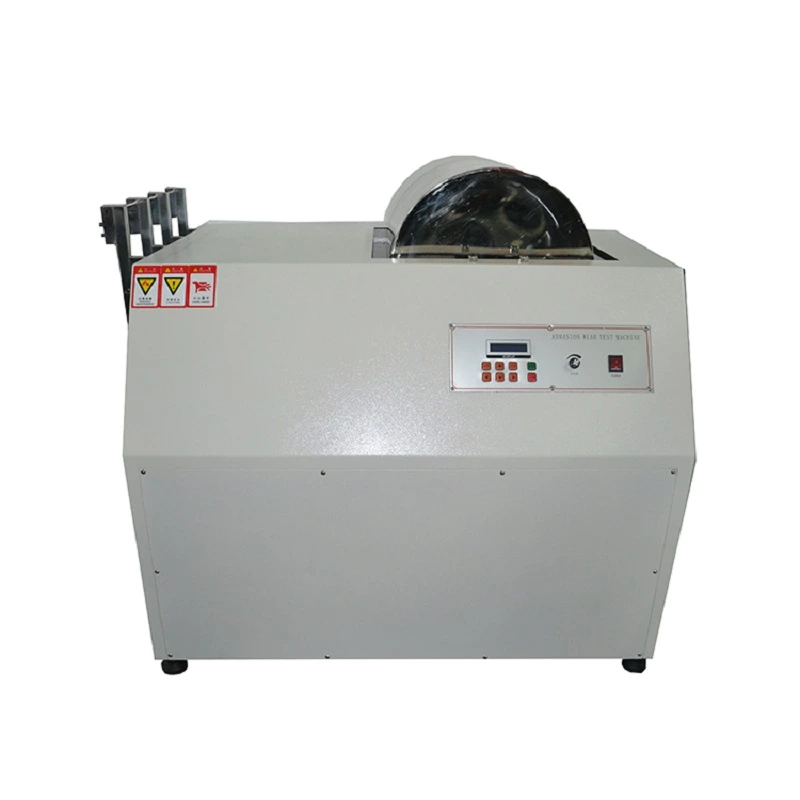
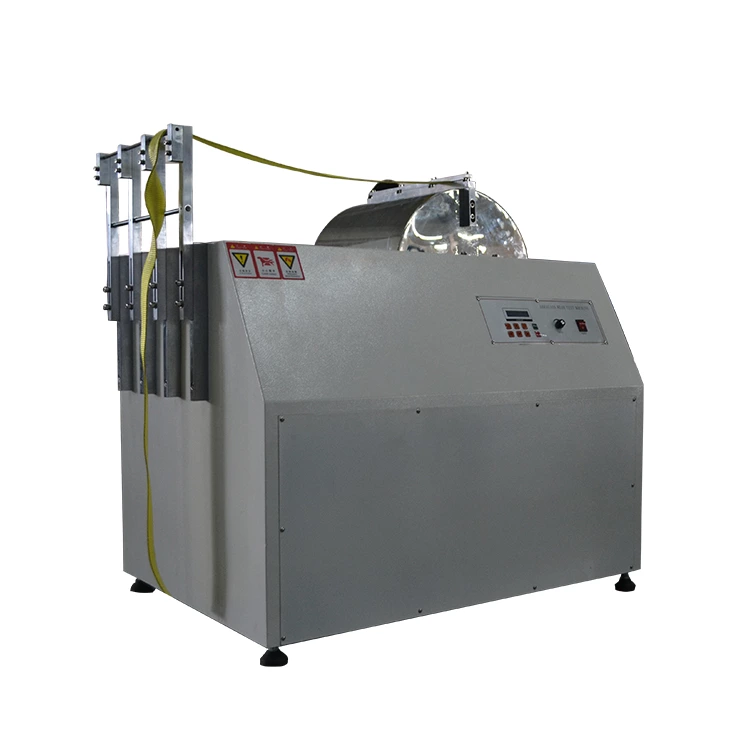
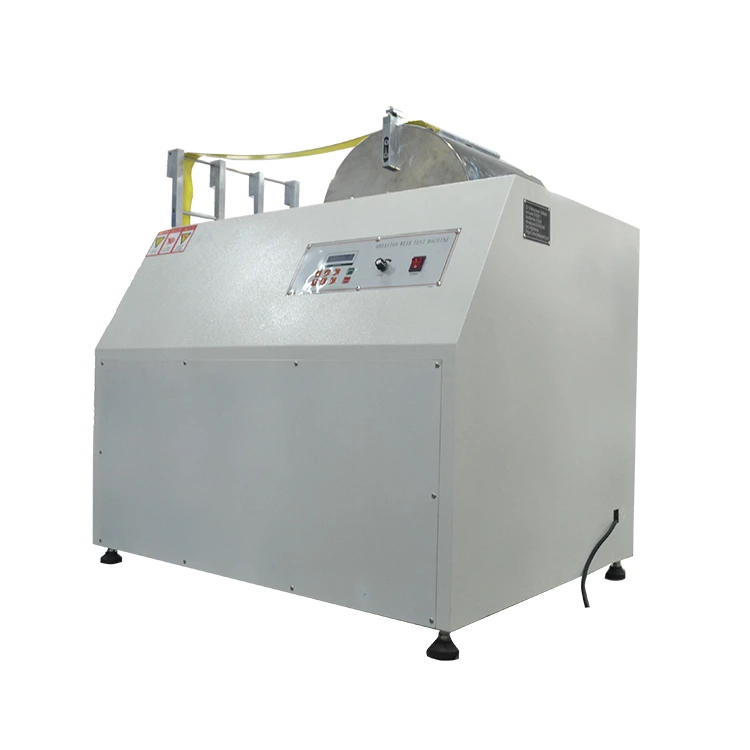
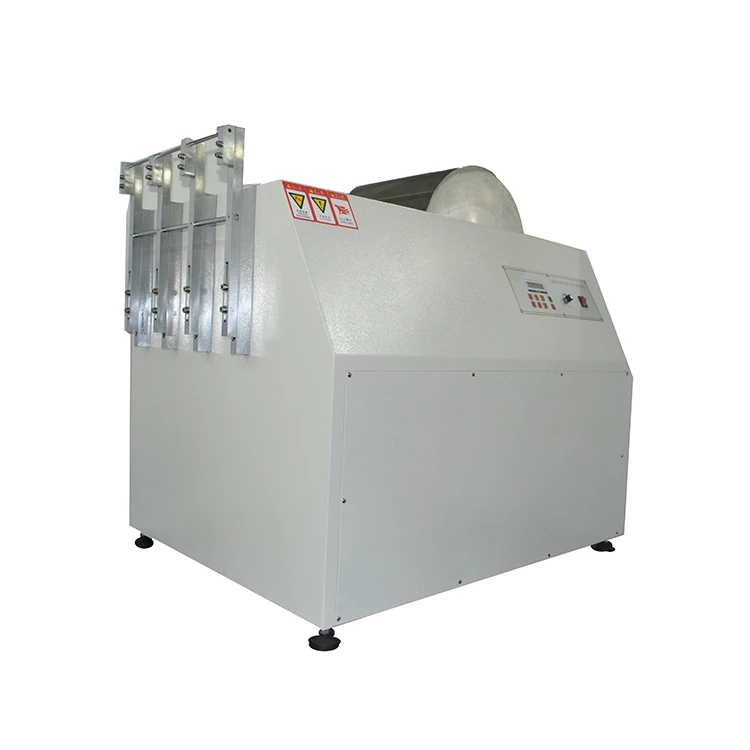
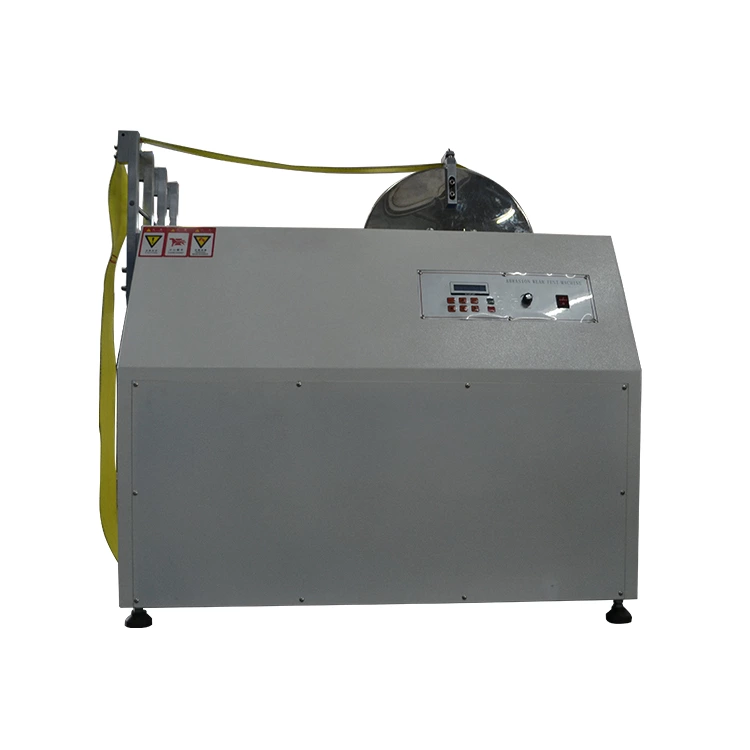
Hex Bar Ribbon Webbing Abrasion Testing Machine

Webbing Abrasion Tester is suitable for the abrasion test of all kinds of webbing using a hex bar method. The sample and the six angle bar are rubbed at a certain angle, and the wear effect is judged under certain rotation number.

Typical Detectable Contaminants:
Fe,stainless steel,bones, glass, ceramic, stones, sand, plastic.
warranty:
600*350mm 500*260mm 400*170mm
Product PDF & Downloads

What is Hex Bar Ribbon Webbing Abrasion Testing Machine?

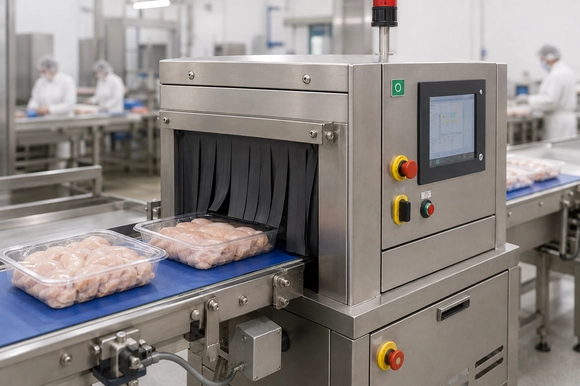
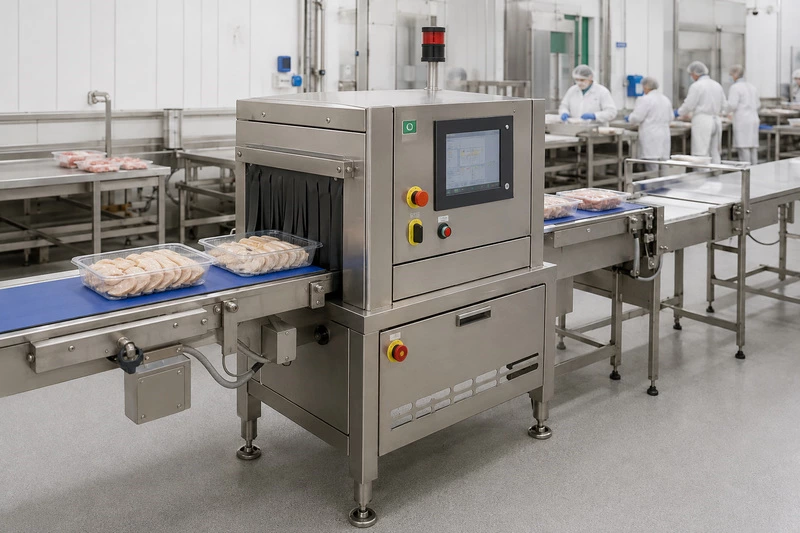
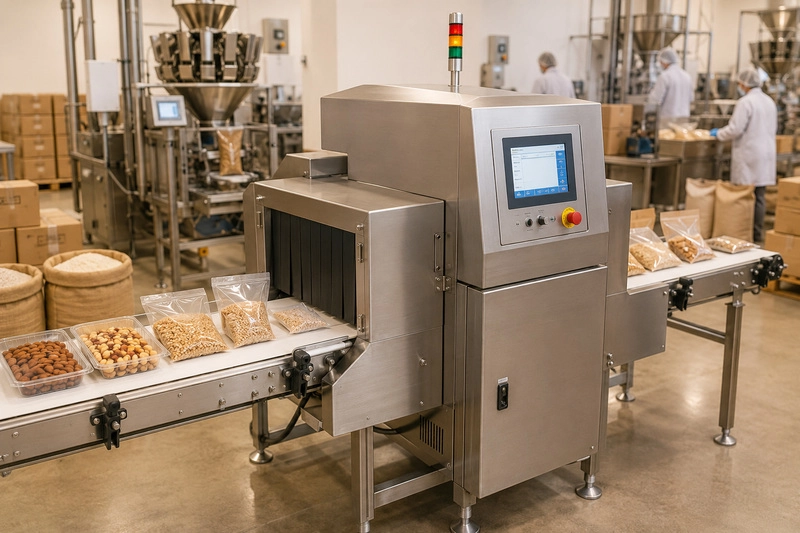
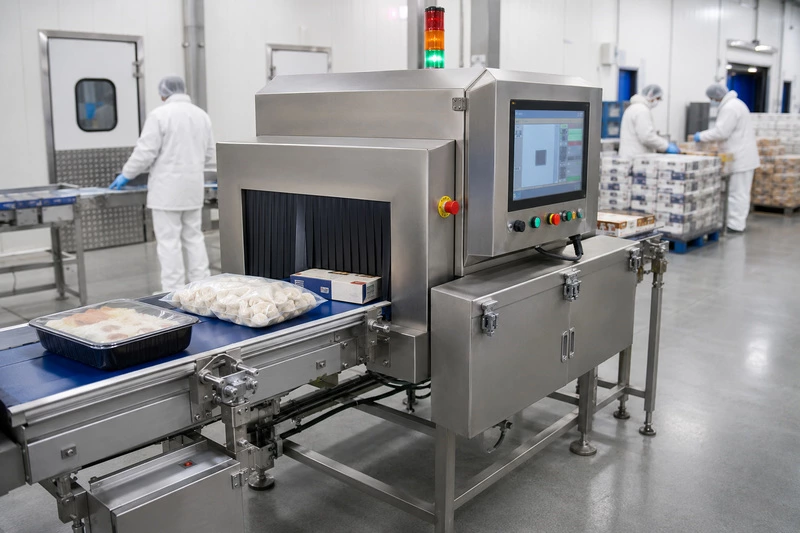
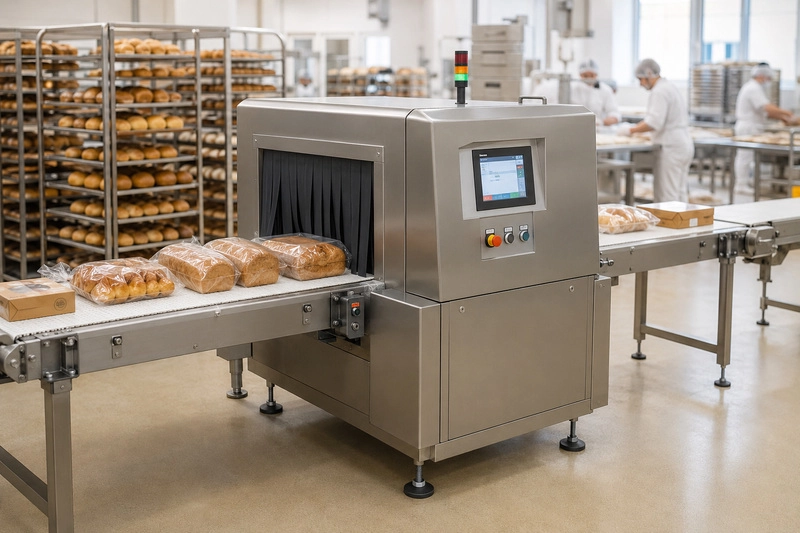
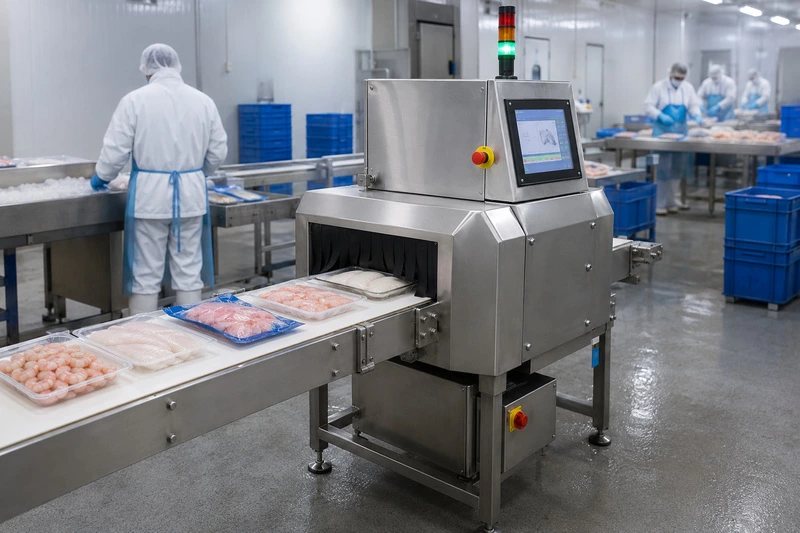
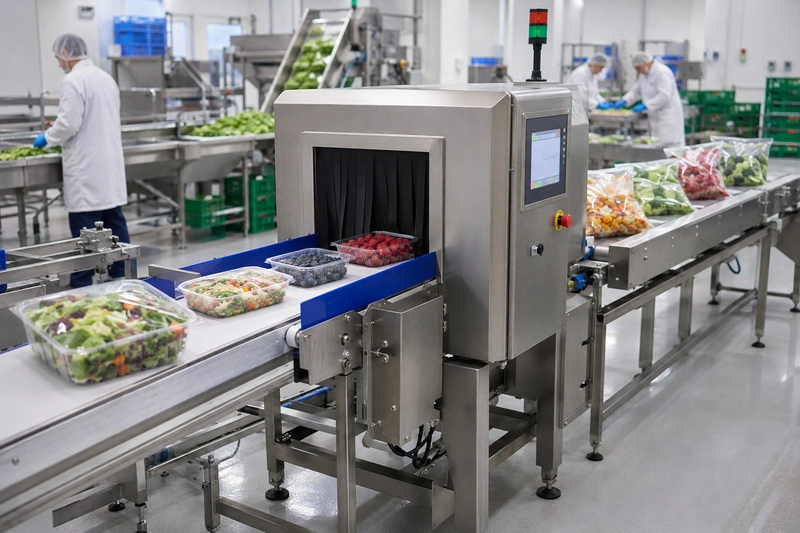
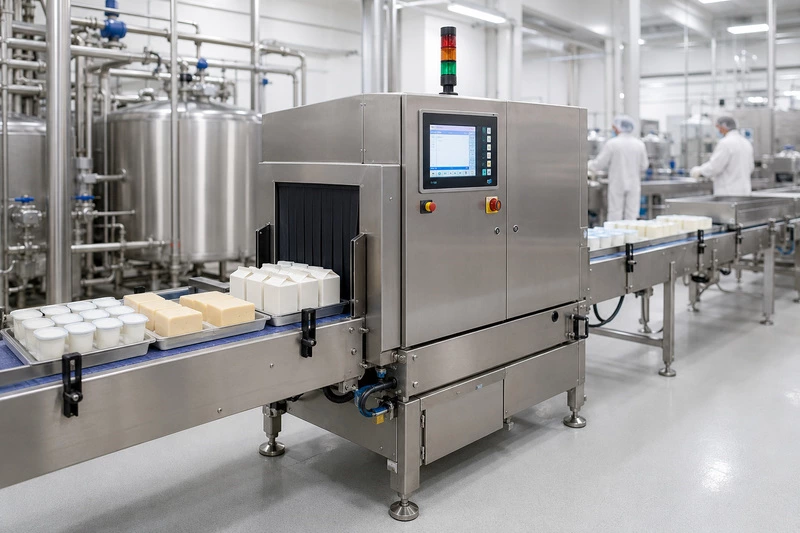
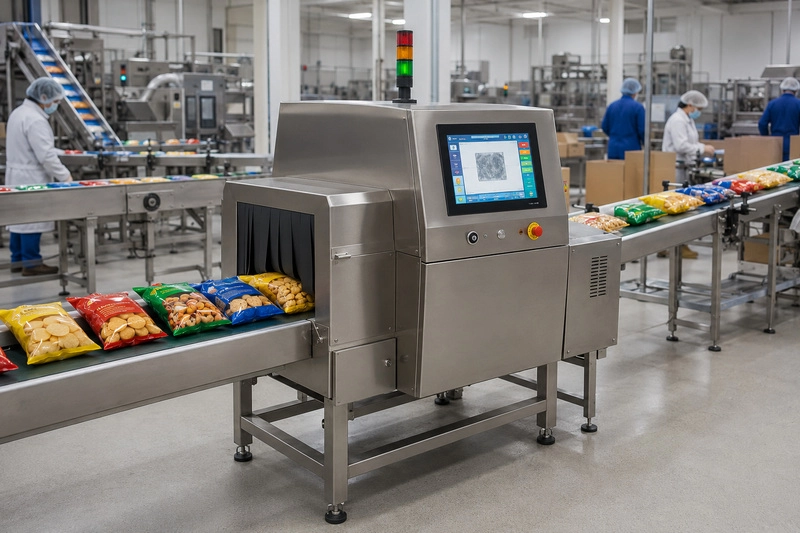
A Food X‑Ray Inspection System is an advanced quality control solution that uses X‑ray transmission imaging to non‑destructively inspect food products for physical contaminants such as metals, glass, stones, bones, and high‑density plastics. It automatically detects and rejects these foreign materials, ensuring product safety and regulatory compliance.

Beyond contamination detection, the system also performs fill‑level verification, missing‑component checks, and portion counting, helping manufacturers reduce waste and improve efficiency. With radiation safety well within international limits, it is safe for operators and does not affect food quality. Widely used in meat, bakery, dairy, fruit, vegetable, pet food, and pharmaceutical industries, it is an essential tool for brand protection and cost optimization.

Hex Bar Ribbon Webbing Abrasion Testing Machine Overview

Key Specifications

Publish every performance value with its test conditions, sensor arrangement and load state.
Item  Hex Bar Abrasion Resistance of Textile Webbing
Working stations 3 stations (or specified)
Speed (30 ± 1) times/min
Test stroke 300 ± 20mm
Drum diameter 400mm
Abrasion angle 85 ± 2 °
Test load (0.9±0.06) kg, (1.8±0.06) kg, (2.4±0.06) kg
Six angle rods 6.35 + 0.03mm; radius 0.5 + 0.2mm
Counting mode Digital display
Power 220V, 50/60Hz or specified

Where This Product Fits

Use this area to show target industries, production lines and real installation scenarios for the product.
Food Processing

Food Processing

Food Processing

Food Processing

Food Processing

Food Processing

Food Processing

Food Processing

Food Processing

Food Processing

Food Processing

Food Processing

Food Processing

Food Processing

Food Processing

Food Processing

Four-Step X-Ray Inspection for Reliable Contaminant Detection

Products pass through the inspection tunnel, where the X-ray source and detector create a density-based image. Inspection software analyzes the image, identifies suspected foreign objects, and triggers the configured reject device.

system-design

01

system-design

system-design

system-design

02

system-design

system-design

system-design

03

system-design

system-design

system-design

04

system-design

system-design

Safety & Protection

  • Over-temperature protection
  • Water-shortage protection
  • Compressor overload protection
  • Configurable alarm records

Only list features verified for the selected model.

Options & Customization

  • Cable ports and adjustable shelves
  • Data logging and remote control
  • Water supply and cooling method
  • Voltage, language and safety options

Download & Learn More

Access product catalogs, technical documents, and useful resources to better understand our solutions and support your application decisions.

Product Documentation

Download PDF

Sample Test Report

Download PDF

CE Certification

Download PDF

Operating Manual

Download PDF

Common Service Questions

Find answers to common questions about product selection, customization, installation, operation, and support.

Is an X‑ray foreign object inspection machine safe for operators? Is food that has been X‑rayed still safe to eat?

Yes, X‑ray inspection systems are completely safe. They do not contain a radioactive source – X‑rays are generated inside the machine by bombarding a tungsten target with electrons, and no radiation is produced when the unit is switched off. Industrial X‑ray machines are built with multi‑layer shielding and comply with national radiation safety standards, so normal operation poses no health risk to staff.

Regarding food safety, food that passes through an X‑ray system does not become radioactive – its taste, nutritional value, and quality remain unchanged. The FDA requires that cabinet X‑ray systems emit no more than 0.5 mR/hr of leakage radiation, and reputable manufacturers’ equipment emits far below this limit.

B2B tip: When purchasing, always ask the supplier for radiation safety certificates and third‑party test reports to confirm compliance with relevant regulations (e.g., GB 18871 in China, or international IEC standards).

X‑ray inspection works on the principle of density differential imaging – different materials absorb X‑rays at different rates, creating contrast in the image. Any contaminant with a density higher than the surrounding product can be effectively detected.

Common detectable contaminants include:

Contaminant Type Detectability
Ferrous, copper, stainless steel metals ⭐⭐⭐ Excellent
Glass (especially high‑mineral content) ⭐⭐⭐ Good
Stones, ceramics, granite ⭐⭐⭐ Very good
Bones (calcium‑containing) ⭐⭐⭐ Effective
High‑density plastics and rubber ⭐⭐ Partial
Low‑density plastics (PE, PP, etc.) ⭐ Difficult
Wood chips, insects ⭐ Usually not detectable

B2B tip: Before selecting a system, conduct a product contaminant test – send actual production samples with potential contaminants to the supplier for a feasibility study to verify detection performance in your specific application.

They are complementary, not substitutes – each suits different scenarios.

Aspect Metal Detector X‑ray Inspection System
Detection principle Electromagnetic induction (magnetic field change) X‑ray transmission + density imaging
Detectable contaminants Metals only (iron, aluminium, copper, etc.) Metals + glass + stones + bones + high‑density plastics
Packaging influence Affected by aluminium foil, metal tins Not affected; can “see through” all packaging
Additional functions Foreign objects only Also performs fill‑level check, missing‑component detection, counting, etc.
Cost Lower initial investment Higher initial investment

Selection guide:

  • If your product has high moisture/salt content or uses aluminium foil packaging → prefer X‑ray

  • If the main risk is only metal fragments and the product is dry → a metal detector may suffice

  • If raw materials may contain glass, stones, or bones → X‑ray is mandatory

B2B tip: Many manufacturers misunderstand X‑ray capabilities. Always request a free sample test with your actual products before making a purchase decision.

X‑ray inspection is widely used across food, pharmaceutical, chemical, and plastic/rubber industries.

Food industry (largest segment):

  • Meat and poultry (bone detection is a classic use)

  • Bakery goods and snacks

  • Dairy products

  • Pet food

  • Fresh/frozen fruits, vegetables, nuts, pulses

  • Bulk materials (grains, powders)

Pharmaceutical industry:

  • Tablets, capsules – foreign object detection

  • Package integrity and fill‑level verification

X‑ray systems can handle fresh, frozen, free‑flowing, pumped, wet, dry, and packaged products of all forms.

B2B tip: Different industries require different precision and line speeds. When requesting a quote, clearly provide product type (bulk/packaged/canned), line speed, and primary contaminant risks to get the most suitable configuration.

The value of an X‑ray system goes far beyond contaminant detection – it simultaneously performs quality measurement, fill‑level monitoring, component counting, and other QC functions, helping reduce waste and increase profitability. When evaluating ROI, focus on Total Cost of Ownership (TCO) rather than just the purchase price.

TCO cost components to consider:

  • Equipment purchase and installation

  • Preventive maintenance (recommended regularly)

  • Repair costs and associated downtime

  • X‑ray tube and detector replacement (typical equipment life: 8‑10 years)

Key operational metrics to track:

  • False reject rate

  • Machine downtime

  • Rework rate

  • Food safety audit results

Cost‑saving insight: Low‑price machines often suffer from accuracy degradation, frequent breakdowns, expensive spare parts, and high hidden costs. Some suppliers now offer long‑life X‑ray sources that can reduce operating costs by up to 60%.

B2B tip: When asking for a quotation, also request a 5‑year TCO estimate that includes preventive maintenance schedules, spare‑part replacement cycles, and energy consumption data – this gives you a full investment picture.
X‑ray inspection systems play an increasingly critical role in regulatory compliance.

Regulatory support:

  • Satisfy control requirements of HACCP, BRC, IFS, and other global food safety schemes

  • Designed to meet FDA, CE, and IP66 hygienic standards

  • Under the FDA FSMA preventive controls rule, manufacturers must maintain documented, repeatable foreign‑object detection processes

Traceability capability: The system captures detailed data during high‑speed production – data can be stored, indexed, and retrieved to demonstrate control over every unit produced. In case of a recall, contaminants can be traced back to specific batches or suppliers, significantly reducing business disruption and financial loss.

Upstream problem warning: By placing inspection units at multiple points along the production line, issues can be traced to their source – scanning incoming raw materials catches contaminants before they enter further processing. Real‑time data also reveals recurring process deviations such as mixing inconsistencies or equipment wear.

B2B tip: When purchasing, verify that the equipment has full data‑logging and retrieval functions and can generate audit‑ready reports. For export‑oriented businesses, also confirm that the system meets the regulatory standards of your target markets (e.g., FDA, EU, etc.).

Support from Selection to Installation

Get professional assistance with model selection, customization, installation, training and maintenance.

This site uses cookies

We use cookies to collect information about how you use this site. We use this information to make the website work as well as possible and improve our services.more details