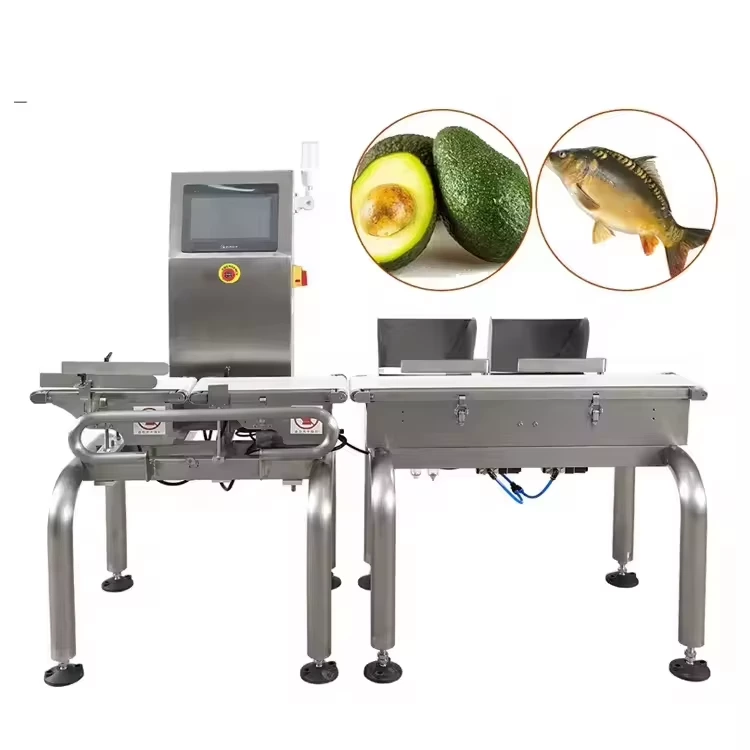
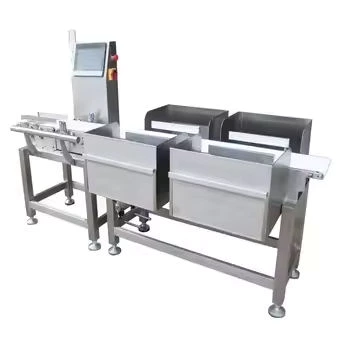
NG-706C

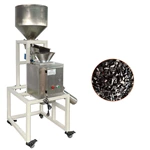
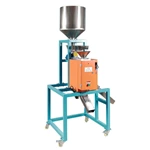
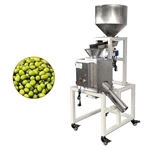
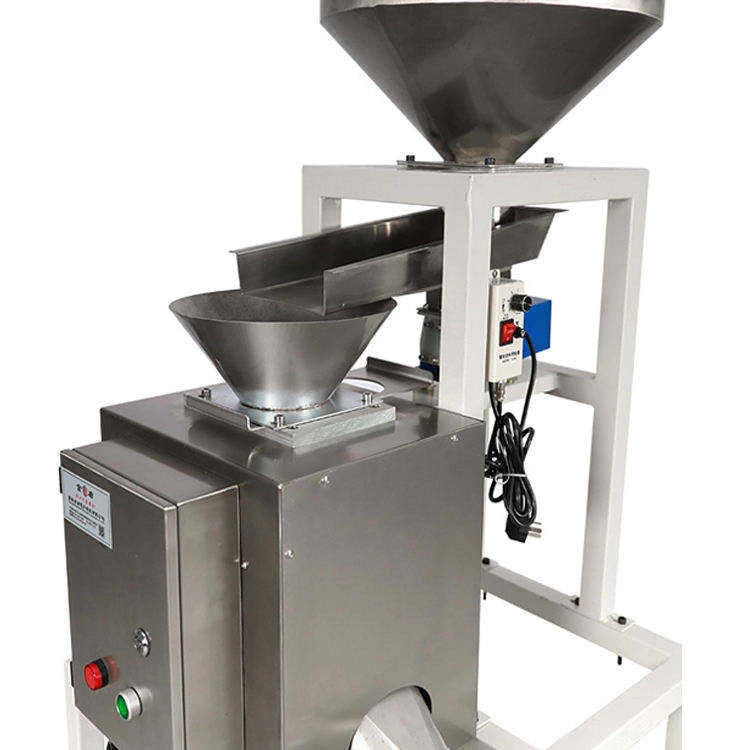
Free Fall Metal Detection Separator Pineline Metal Separator with Vibration Screen

High-Performance Metal Separator for Continuous Free‑Fall Inspection

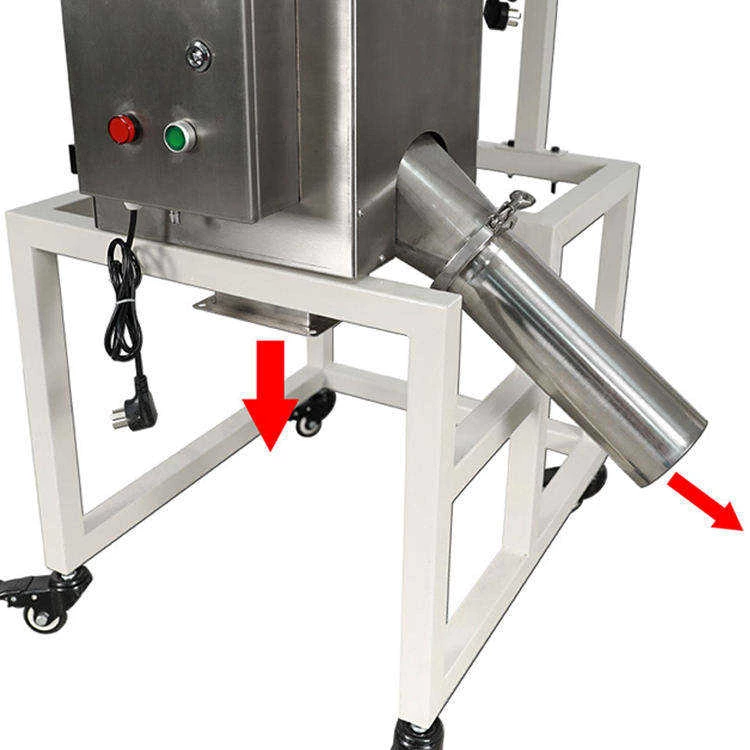
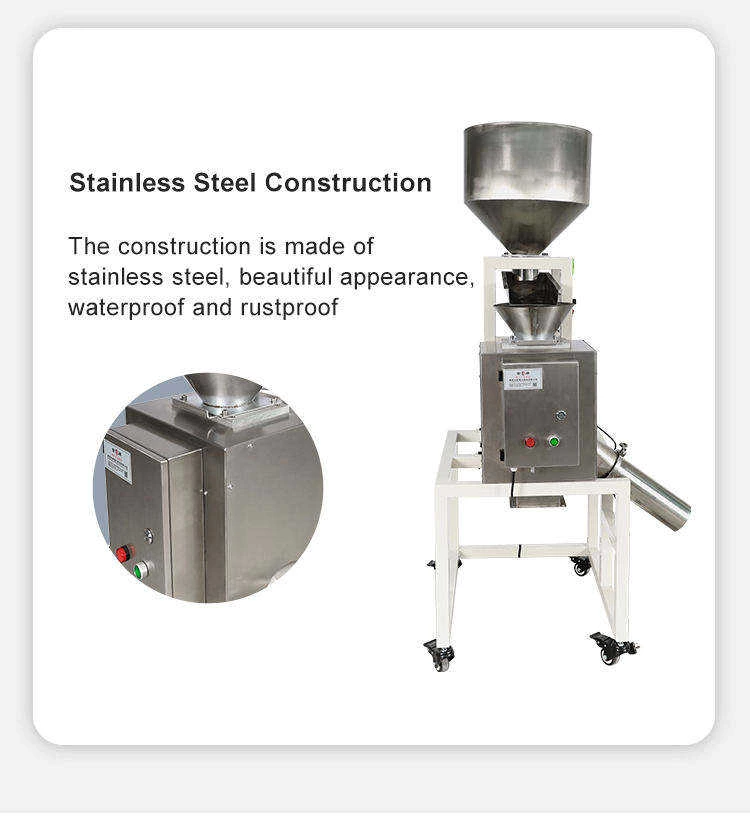
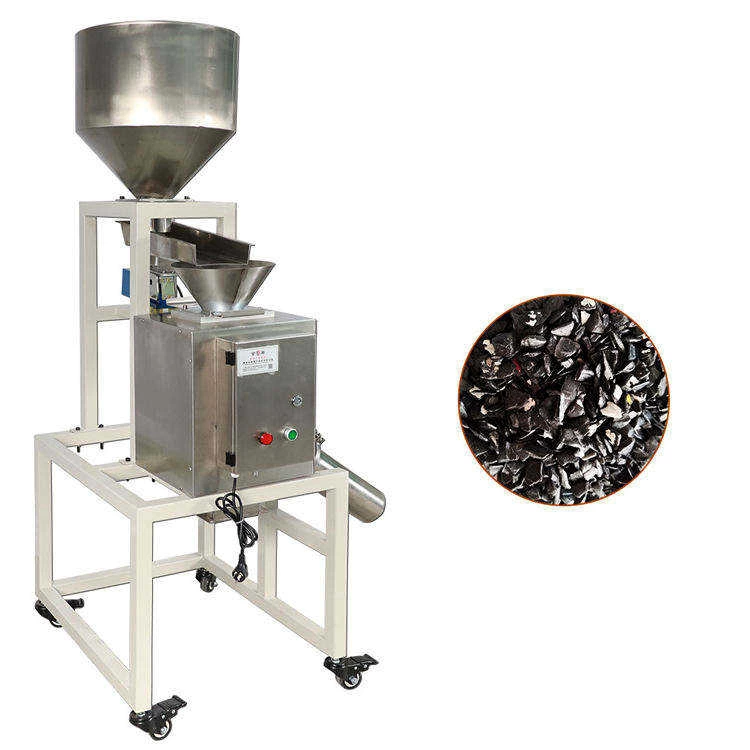
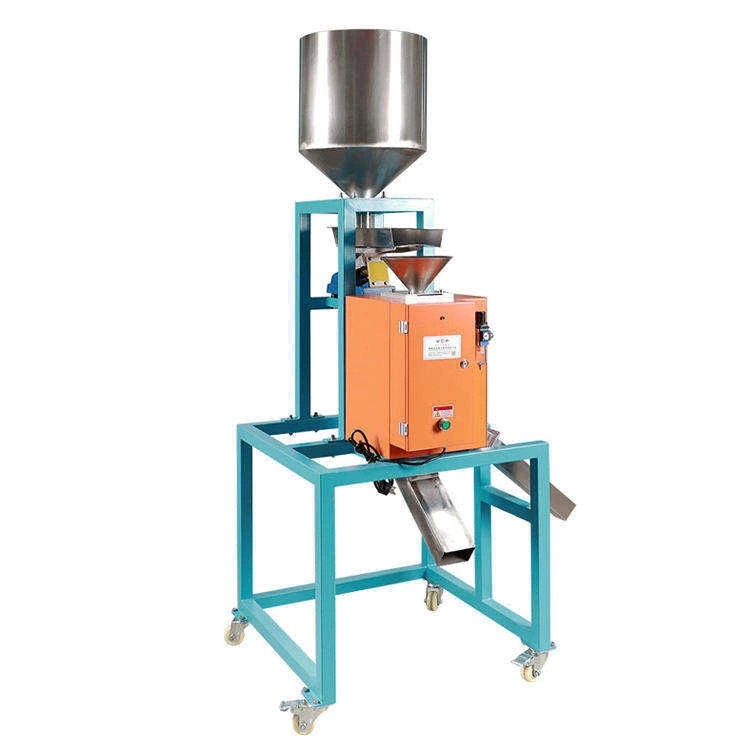
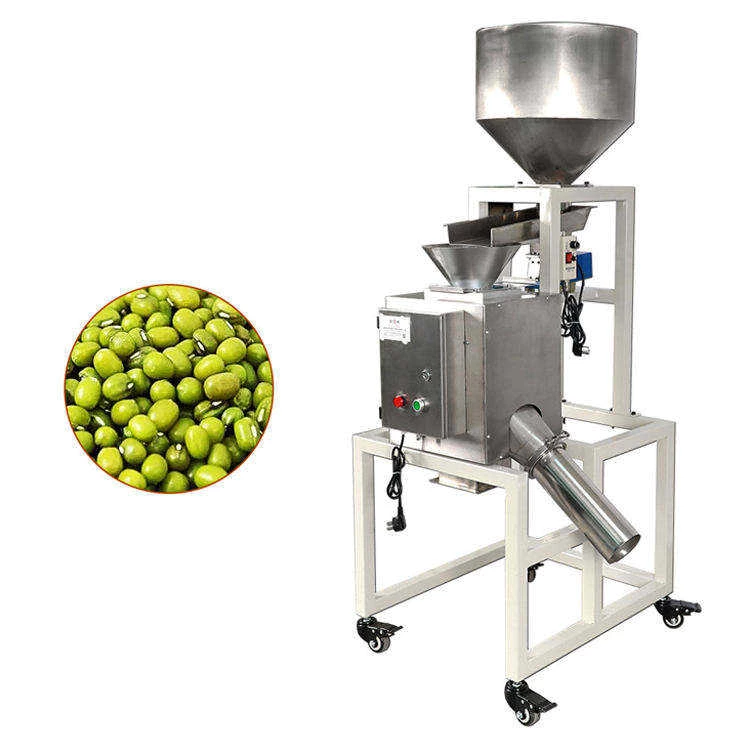
Raw material free‑falls from the hopper and feeder through the metal separator. In the absence of metal, it passes straight through the induction zone into the storage bin. If metal is detected, the shunt valve immediately diverts the contaminated material (along with a small portion of product), then quickly returns to its normal position. The diverting speed and detection sensitivity are both adjustable to suit production needs, enabling reliable separation of even very fine metallic particles.

Display Screen:
7-inch TFT full-color LCD touchscreen
Typical Detectable Contaminants:
ferrous, non-ferrous, sus

What is Free Fall Metal Separator?

Food Metal Detector – Ensuring Product Safety and Compliance

Our food metal detector is a high‑performance inspection system engineered to detect ferrous, non‑ferrous, and stainless steel contaminants across a broad spectrum of food products – including fresh, frozen, wet, and packaged items. Featuring advanced multi‑frequency technology, it delivers outstanding sensitivity while effectively minimising false rejects caused by product effect and environmental noise.

Built with rugged stainless steel construction and rated to IP65 hygiene standards, the detector is designed for demanding production environments. It integrates seamlessly into conveyor lines, gravity‑fed chutes, or pipeline systems, and supports full compliance with HACCP, BRC, and IFS food safety regulations.

Whether you process meat, dairy, bakery, confectionery, or ready‑to‑eat meals, our solution offers reliable metal contamination control to safeguard your brand and consumers. A wide range of aperture sizes and custom configurations are available to match your specific throughput and product characteristics.
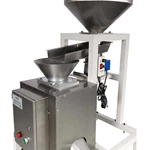
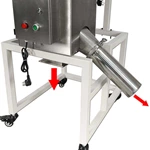
Free Fall Metal Separator Overview

Key Specifications

Publish every performance value with its test conditions, sensor arrangement and load state.
Model NG-706C
Inside Diameter Φ25mm Φ35mm Φ55mm Φ75mm Φ100mm
Accuracy Φ0.2mm Φ0.3mm Φ0.5mm Φ0.7mm Φ1.0mm
Throughput (KG/H) 250 300-400 700-800 1000-1500 2000-2500
Detect Method Electromagnetic Wave Detection Technology
Alarm Mode Sound and Light Alarm with Auto Rejection
 Protection Grade IP65
Working Temp -10 ~ + 80 ºC
Discharge Time 0.3-5S 
Compressed Air 3~5 Bar
Output Terminal Count Signals and Eliminate Signals
Frame Materials Stainless Steel (or NG-70K Paint for Optional)
Voltage 220V/50~60Hz
Optional / Customized Function
1 NG-80 Install Vibrating Screen (To avoid the machine is blocked by materials)
2 Suction Feeder
3 Above are standard models, other features can be customized

Where This Product Fits

Use this area to show target industries, production lines and real installation scenarios for the product.
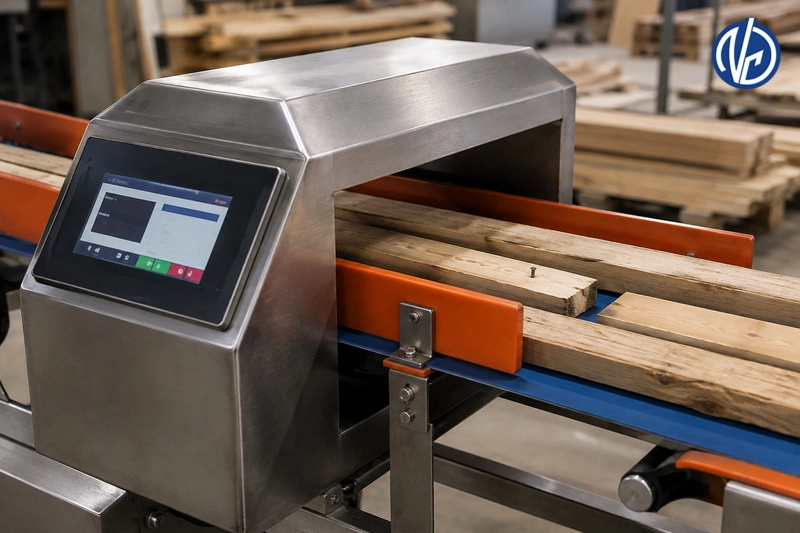
Detection Closeup wood

Detection Closeup wood

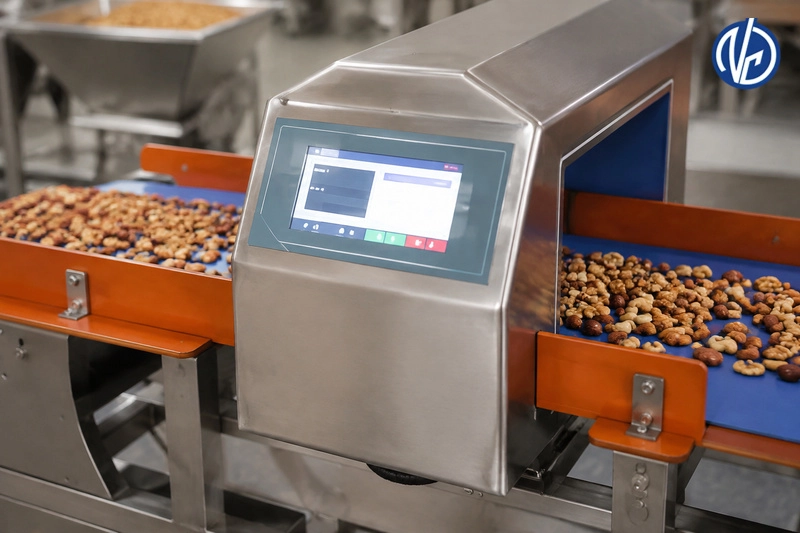
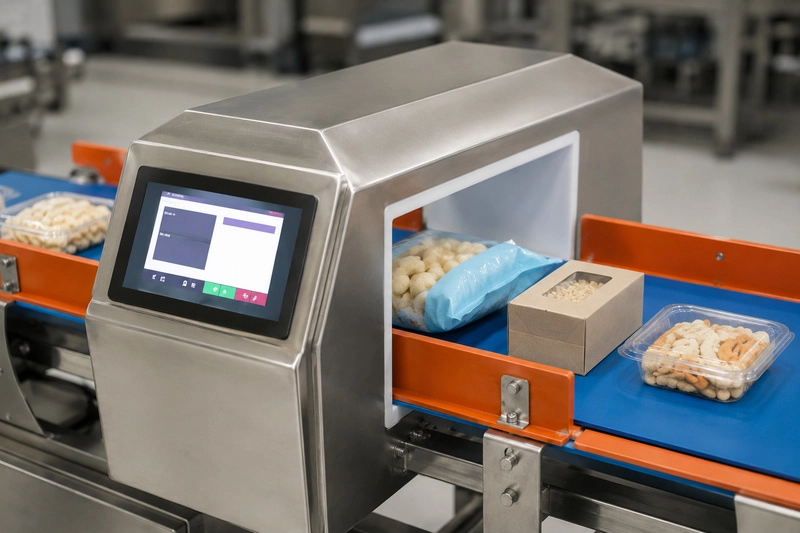
Detection Closeup Nuts and Dried Fruit

Detection Closeup Nuts and Dried Fruit

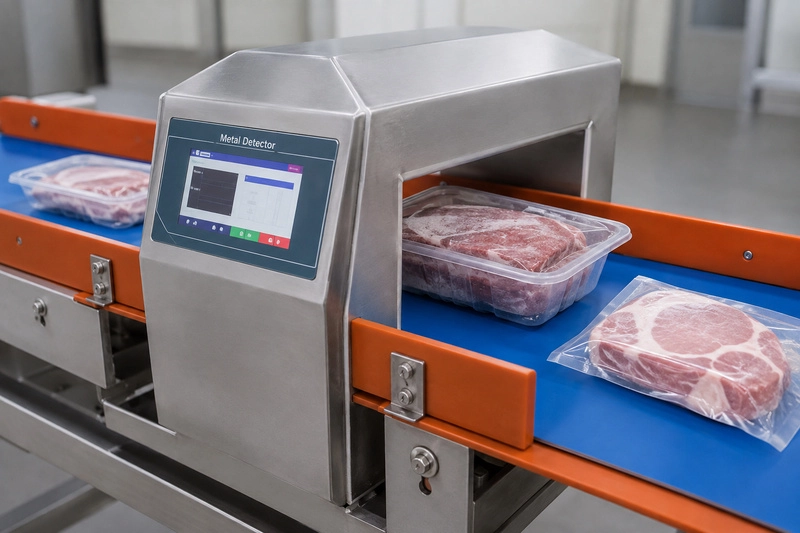
01_Detection_Closeup_Frozen_Meat

01_Detection_Closeup_Frozen_Meat

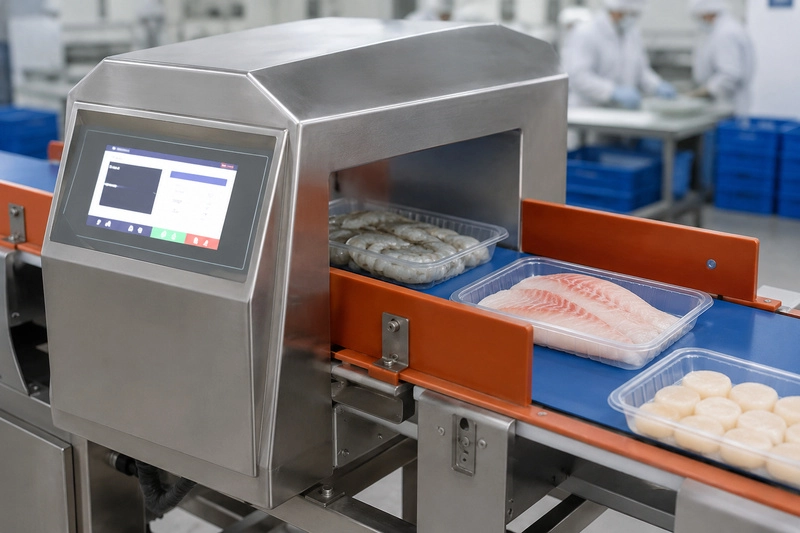
02_Detection_Closeup_Seafood

02_Detection_Closeup_Seafood

03_Detection_Closeup_Packaged_Food

03_Detection_Closeup_Packaged_Food

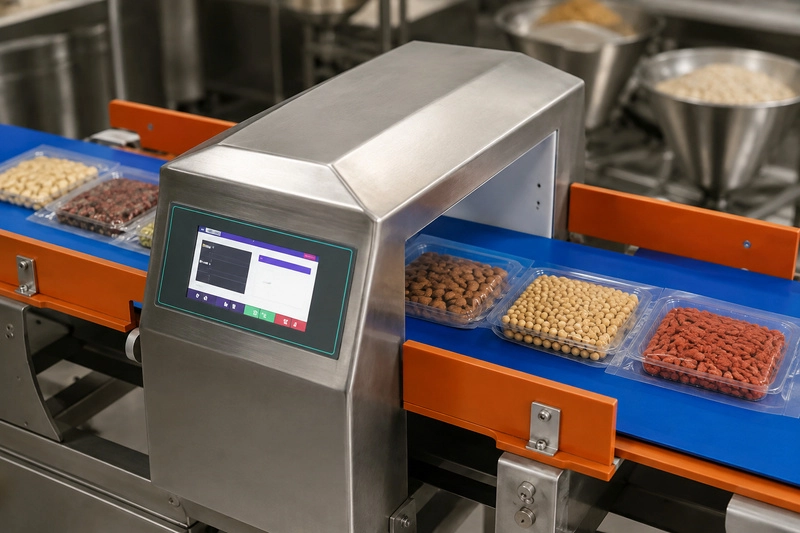
04_Detection_Closeup_Food_Ingredients

04_Detection_Closeup_Food_Ingredients

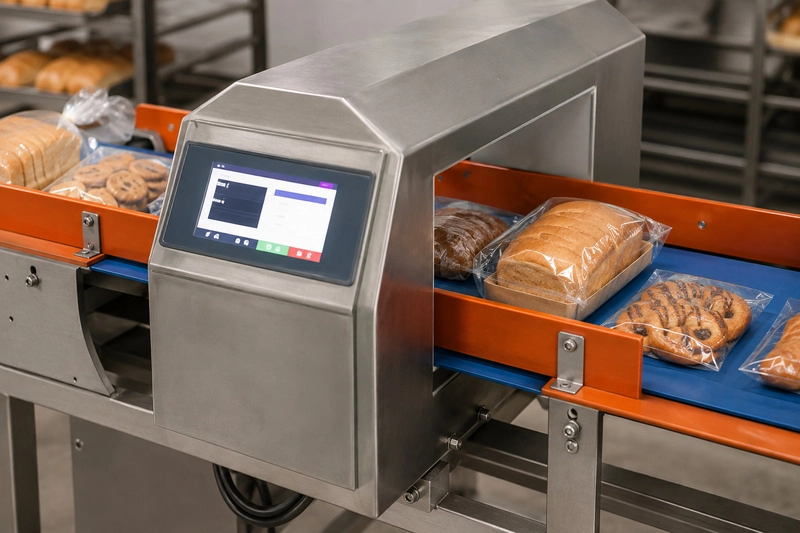
05_Detection_Closeup_Bakery_Food

05_Detection_Closeup_Bakery_Food

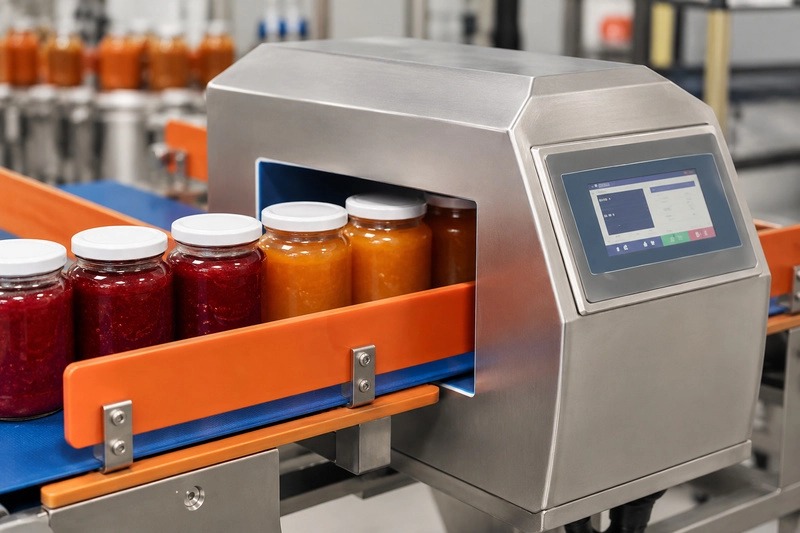
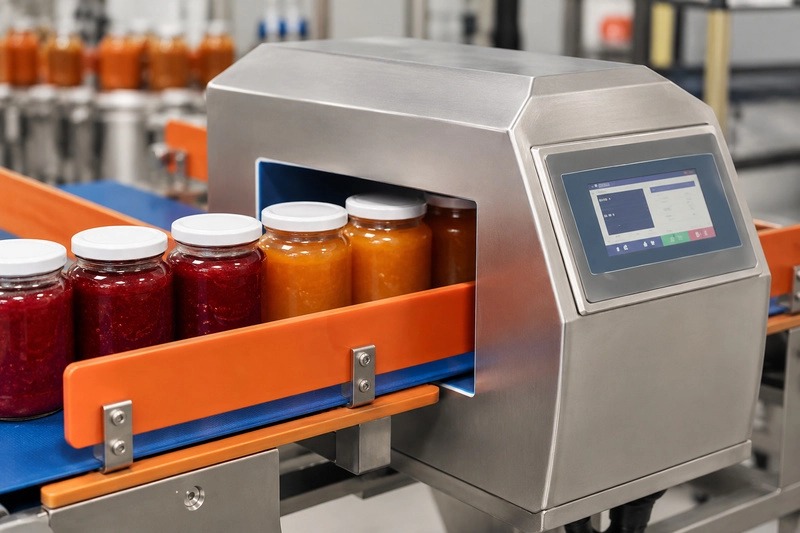
06_Detection_Closeup_Jarred_Jam

06_Detection_Closeup_Jarred_Jam

Four-Step X-Ray Inspection for Reliable Contaminant Detection

Products pass through the inspection tunnel, where the X-ray source and detector create a density-based image. Inspection software analyzes the image, identifies suspected foreign objects, and triggers the configured reject device.

system-design

01

system-design

system-design

system-design

02

system-design

system-design

system-design

03

system-design

system-design

system-design

04

system-design

system-design

Safety & Protection

  • Over-temperature protection
  • Water-shortage protection
  • Compressor overload protection
  • Configurable alarm records

Only list features verified for the selected model.

Options & Customization

  • Cable ports and adjustable shelves
  • Data logging and remote control
  • Water supply and cooling method
  • Voltage, language and safety options

Download & Learn More

Access product catalogs, technical documents, and useful resources to better understand our solutions and support your application decisions.

Common Service Questions

Find answers to common questions about product selection, customization, installation, operation, and support.

What types of metals can a food metal detector detect?

Most food metal detectors are capable of detecting three main categories of metals:

  • Ferrous (iron‑based)

  • Non‑ferrous (aluminium, copper, brass)

  • Stainless steel

However, detection sensitivity is not equal across these types. Stainless steel is generally the most difficult to detect because of its poor electrical conductivity and low magnetic permeability.

The actual detectability also depends on the size, shape, and orientation of the metal particle as it passes through the detector aperture. Therefore, always test with the specific metal types and sizes that represent your highest contamination risk.

Sensitivity is the most critical parameter – it defines the smallest metal fragment that the system can reliably detect. Sensitivity is usually expressed in millimetres (sphere diameter) and is adjustable for each product.

Several factors can significantly reduce or enhance effective sensitivity:

  • Product type – Wet, salty, or conductive products generate a strong “product signal” that can mask metal contaminants.

  • Packaging materials – Foil or metallised films interfere with the electromagnetic field.

  • Environmental interference – Vibrating machinery, electrical noise, power fluctuations, and temperature changes all lower sensitivity in real‑world conditions.

While a higher sensitivity setting catches smaller particles, it also increases the risk of false rejects caused by normal product variability. Finding the optimal balance requires thorough testing with your actual production samples.

These two technologies are complementary, not interchangeable. The choice depends on your contamination risks, budget, and application.

Factor Metal Detector X‑Ray System
Cost Lower ($5,500–$25,000) Higher ($50,000+)
Lifespan 2–5 times longer than X‑ray Shorter
Detects Ferrous, non‑ferrous, and stainless steel Metal, glass, stone, dense plastic, bone
Limitations Cannot detect non‑metal contaminants (glass, stone, bone) Less effective with aluminium; affected by product density

Choose a metal detector if:

  • Metal is your primary contamination risk,

  • You have budget constraints, or

  • You are inspecting free‑falling products (where X‑ray is not applicable).

Choose X‑ray if you also need to detect glass, stone, or dense plastics.

False rejects are a common frustration. They usually occur when the detector’s sensitivity is set too high, causing normal product variation to be misinterpreted as contamination.

Main causes and practical solutions:

  • Product effect – Wet or conductive products generate strong signals. Fix: Center the package vertically in the detector head to minimise the product signal.

  • Environmental noise – Vibrating equipment, nearby motors, and electrical interference trigger false alarms. Fix: Isolate the detector from these sources (use vibration‑damping mounts and shielded cables).

  • Improper setup – The auto‑learning process must be performed with actual production samples under real conditions (speed, temperature, orientation). Fix: Re‑run the setup with representative samples.

  • Sensitivity drift – Over time, the detector may gradually lose sensitivity to small particles. Fix: Reduce sensitivity slightly and re‑test using a certified test piece.

Yes, but these “difficult” products require special consideration. Wet, frozen, and salty products are electrically conductive, which produces a strong interfering signal that can mask real metal contaminants.

Best practices for difficult products:

  • Position the product vertically and centrally in the aperture, with equal clearance above and below.

  • Choose a detector with multi‑frequency or simultaneous frequency technology – these can “ignore” the product effect while maintaining high sensitivity.

  • Use a larger aperture height to move the product farther from the electromagnetic coils, reducing the product signal.

  • Always test and calibrate using actual production samples under real operating conditions, not just dry test pieces.

Regular testing and calibration are mandatory for food safety compliance, especially under HACCP and retailer standards.

Recommended frequency:

  • Daily – Perform a routine check using test pieces (ferrous, non‑ferrous, and stainless steel) at the start of each shift.

  • Per product change – Re‑test whenever you switch to a different product type, as sensitivity requirements may change.

  • After maintenance – Re‑calibrate after any repair, adjustment, or significant environmental change.

  • Per audit schedule – Follow your HACCP plan and customer requirements for formal validation testing.

Your metal detector supplier will provide specific guidance on test piece sizes and adjustment procedures tailored to your application. Always document every test for traceability.

Support from Selection to Installation

Get professional assistance with model selection, customization, installation, training and maintenance.

This site uses cookies

We use cookies to collect information about how you use this site. We use this information to make the website work as well as possible and improve our services.more details