Introduction
In the fast-paced world of manufacturing, efficiency and accuracy are key factors that can make or break a company's success. One crucial tool that plays a significant role in optimizing manufacturing processes is the checkweigher system. This article will delve into the importance of checkweigher systems and how they contribute to streamlining manufacturing operations. Specifically, we will focus on the benefits of dynamic checkweighers and their impact on overall productivity.
1. Understanding Checkweigher Systems
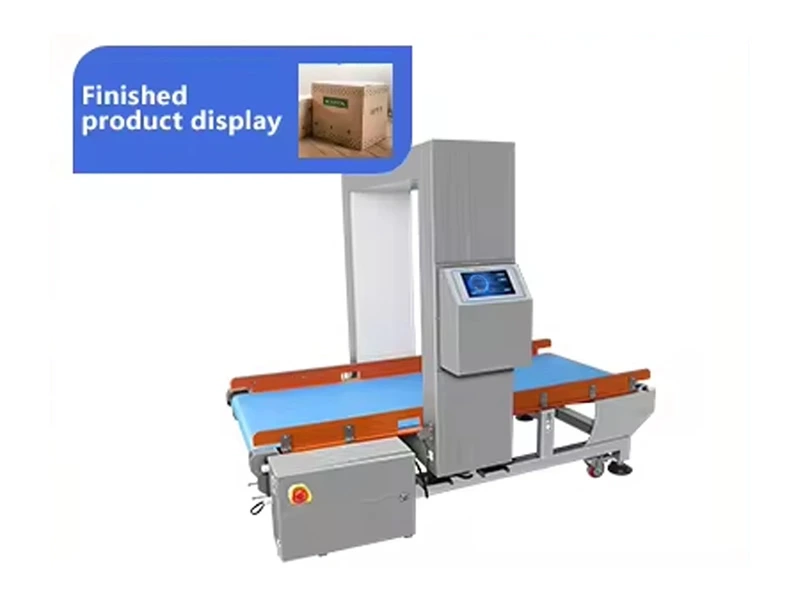
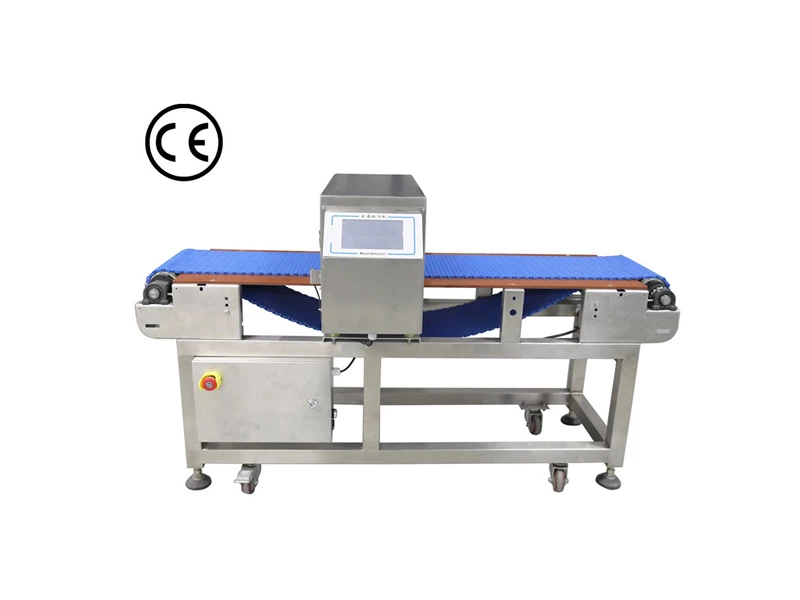
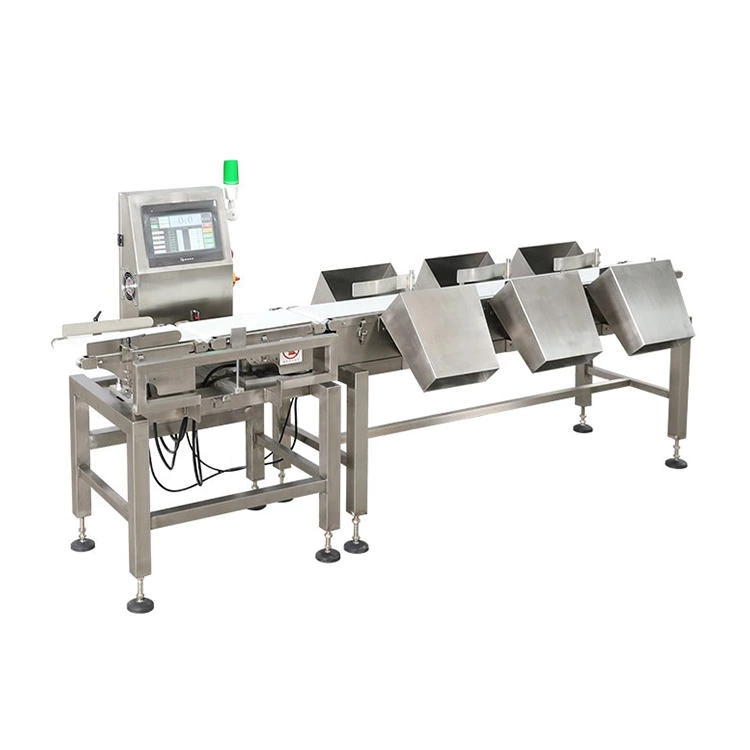
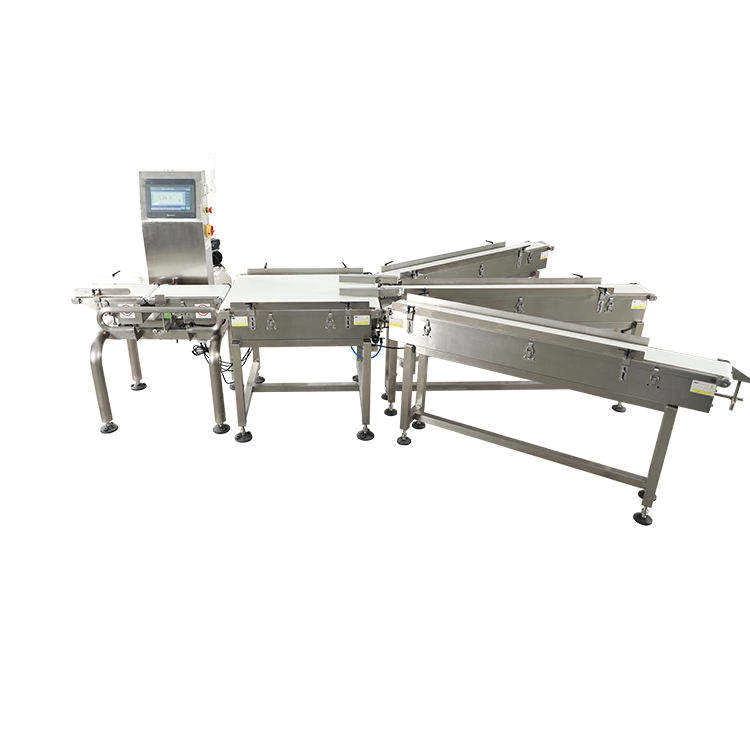
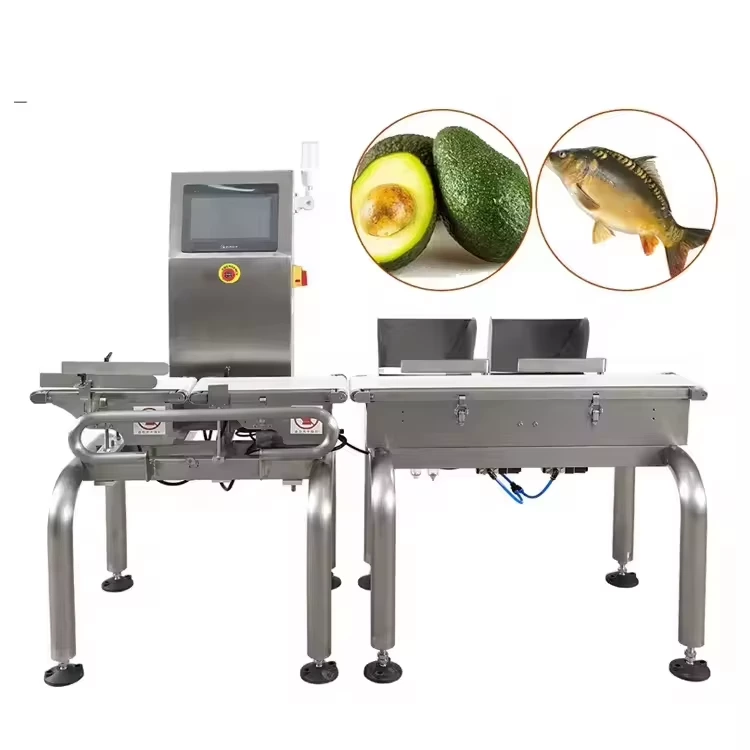
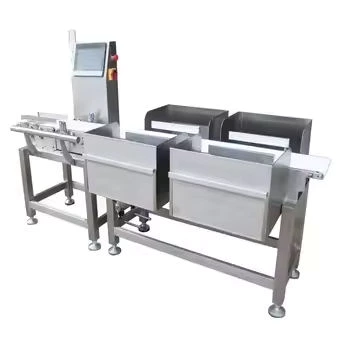
Checkweigher systems are advanced weighing devices used in production lines to ensure products meet specified weight requirements. These systems utilize sophisticated sensors and software to measure the weight of items in real-time. By comparing the actual weight with predetermined parameters, checkweighers can identify and reject underweight or overweight products, preventing them from reaching consumers.
2. Enhancing Quality Control
One of the primary functions of checkweigher systems is to maintain stringent quality control standards. By accurately measuring the weight of products, manufacturers can identify deviations and take corrective action promptly. This helps minimize product recalls, customer complaints, and potential legal issues, thereby safeguarding the company's reputation and ensuring consumer satisfaction.
3. Improving Efficiency and Productivity
Dynamic checkweighers, in particular, are designed to handle high-speed production lines. These systems can process a large number of products per minute, making them ideal for fast-paced manufacturing environments. By swiftly weighing and sorting items, dynamic checkweighers eliminate bottlenecks and keep the production line running smoothly. This results in increased throughput, reduced downtime, and improved overall efficiency.
4. Real-time Data Analysis
Modern checkweigher systems are equipped with advanced software that allows for real-time data analysis. This feature enables manufacturers to gain valuable insights into their production processes. By monitoring trends, identifying patterns, and analyzing statistics, companies can identify areas for improvement, optimize their operations, and make data-driven decisions.
5. Ensuring Regulatory Compliance
Compliance with industry regulations is crucial for any manufacturing company. Checkweigher systems play a vital role in ensuring adherence to weight-related regulations and standards. By accurately measuring and documenting product weights, manufacturers can demonstrate compliance during audits and inspections. This reduces the risk of penalties, fines, and potential legal consequences.
6. Flexibility and Customization
Checkweigher systems offer flexibility and customization options to meet the specific needs of different industries and products. Manufacturers can tailor the checkweigher settings, such as weight tolerances and reject mechanisms, to align with their unique requirements. This adaptability allows companies to maintain high standards ofquality control while accommodating variations in product types, sizes, and packaging.
Conclusion
Checkweigher systems, especially dynamic checkweighers, have become indispensable tools in modern manufacturing processes. Their ability to enhance quality control, improve efficiency, provide real-time data analysis, ensure regulatory compliance, and offer flexibility make them essential components of successful production lines. By investing in checkweigher systems, companies can streamline their operations, minimize errors, and ultimately achieve higher levels of productivity and customer satisfaction.