Foreign Object Detection & Checkweighing Solutions for Beverage & Liquid Production
From glass bottles to PET, cans, and cartons — low-angle side-projection X-ray inspection for glass-in-glass detection and precision checkweighing for fill quantity compliance, engineered for the fastest lines in food & beverage.
Industry Challenges
Glass-in-Glass: The Industry's Hardest Detection Problem
Broken glass bottles on the filling line can introduce glass shards into otherwise clean bottles — yet glass fragments inside glass containers are nearly invisible to conventional top-down X-ray inspection, because both are the same density. This is the single most dangerous contamination risk in the beverage industry, and the reason leading bottlers rely on low-angle side-projection X-ray geometry, which maximizes fragment visibility in the bottle wall and base.
Sediment, Closure Debris & Foreign Objects
Beyond glass, beverage lines face a wide contamination spectrum: sediment and sludge at bottle bottoms, cap and closure debris (plastic, aluminum, rubber seals), stones and metal fragments from raw materials (fruit pulp, concentrates), and even insect fragments in natural juice processing. A complete inspection strategy must cover the bottle bottom, side walls, and closure zone.
Weight Compliance & Giveaway
In most markets, beverage quantity is legally controlled — the EU average weight system (e-mark), NIST Handbook 44, and MID require documented proof that every batch meets declared fill quantity. Underfilled bottles risk regulatory fines and consumer complaints; overfilled bottles silently bleed margin at millions of units per day. High-precision checkweighing is the industry-standard answer.
Solutions
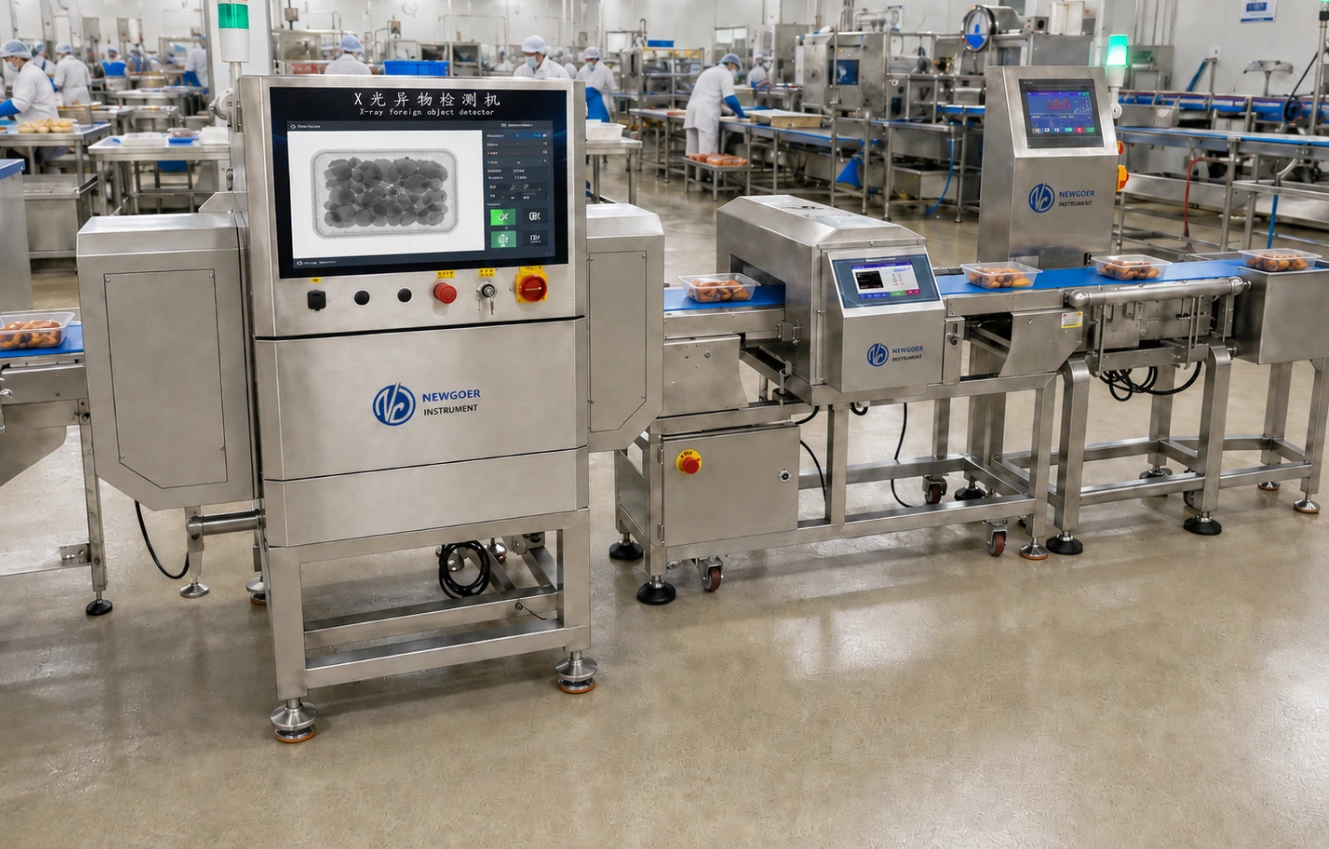
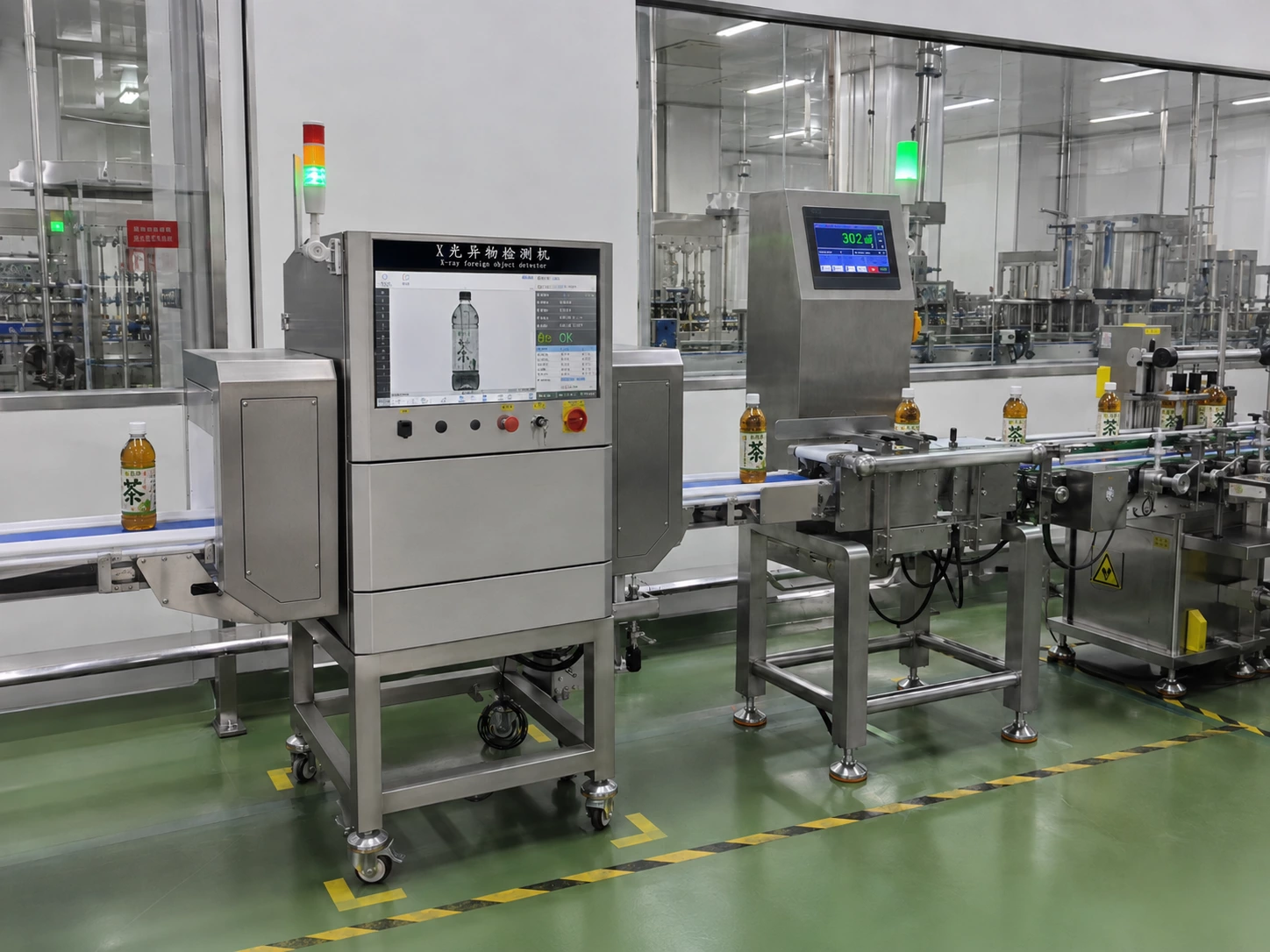
Side-Projection X-ray Foreign Object Detection
Our side-projection (low-angle) X-ray inspection systems are the industry-standard solution for the beverage sector's hardest challenge — detecting foreign objects inside glass containers. Unlike top-down systems, side-projection geometry directs the beam through the bottle at a low angle, maximizing contrast for glass-in-glass detection and enabling full coverage of the bottle base and side walls.
Key Capabilities:
Glass-in-glass detection — Low-angle beam geometry makes glass shards in bottle walls and bases clearly visible
Bottom sediment & sludge detection — Identifies contamination that settles at the bottle base
Cap & closure zone inspection — Detects missing caps, misaligned closures, and cap debris in the neck zone
Full-body scanning — Inspects bottle walls, base, and closure in a single pass at full line speed
Multi-format flexibility — Glass, PET, cans, and cartons handled with automatic format changeover
Simultaneous quality checks — Detects contaminants while verifying cap presence and bottle integrity
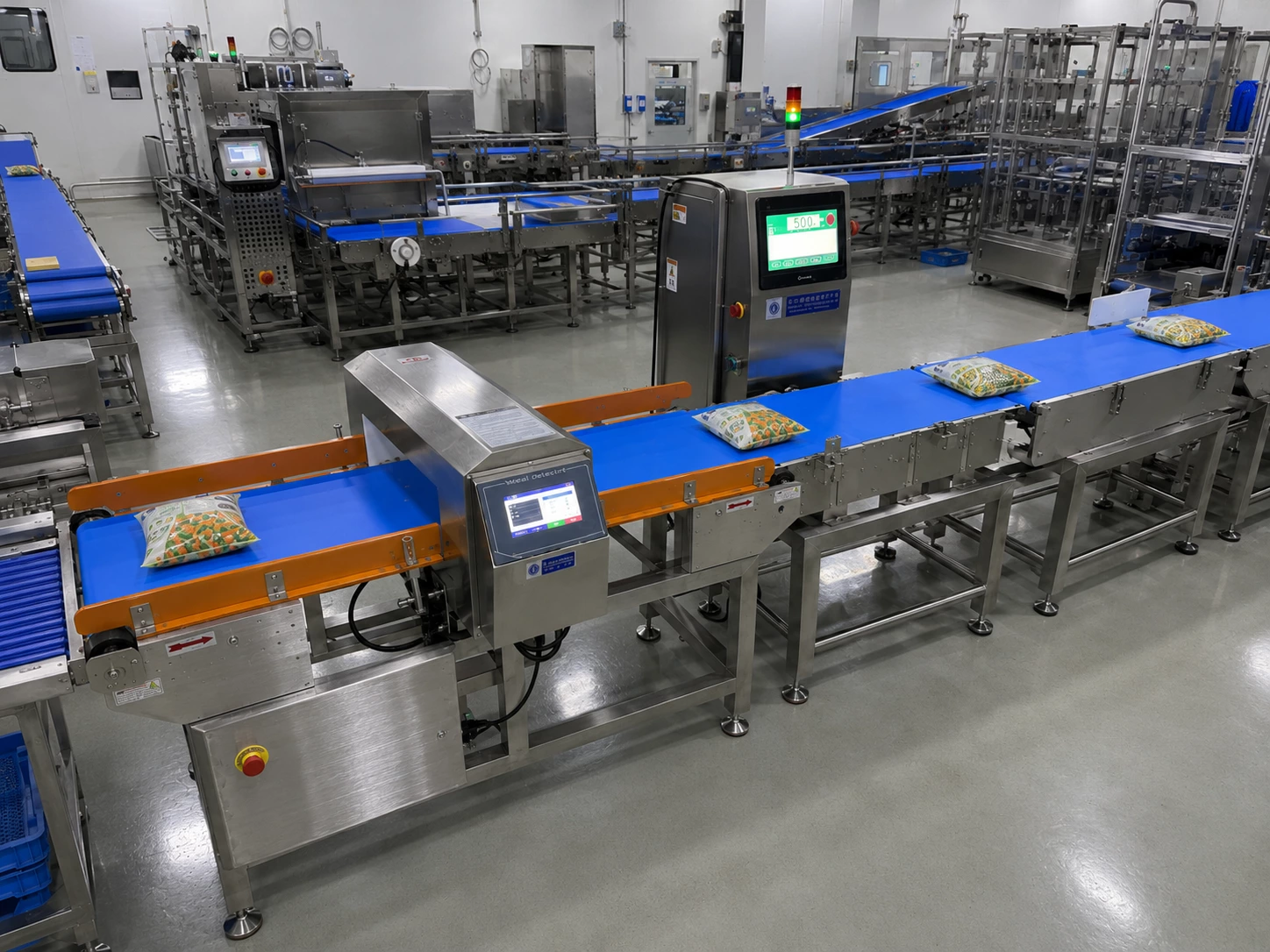
Metal Detection
Pipeline (in-line) systems — For pumped liquid streams (juice, syrup, milk, sauces) before filling; detects ferrous, non-ferrous, and stainless steel fragments from pumps, screens, and heat exchangers
Conveyor systems — For finished bottles, cans, and cartons; detects metal contaminants in the product or introduced during capping
Multi-frequency technology — Compensates for product effect from conductive beverages (juice, beer, sports drinks), reducing false rejects
Free-fall systems — For free-flowing raw materials (sugar, fruit pieces, concentrates) entering the process
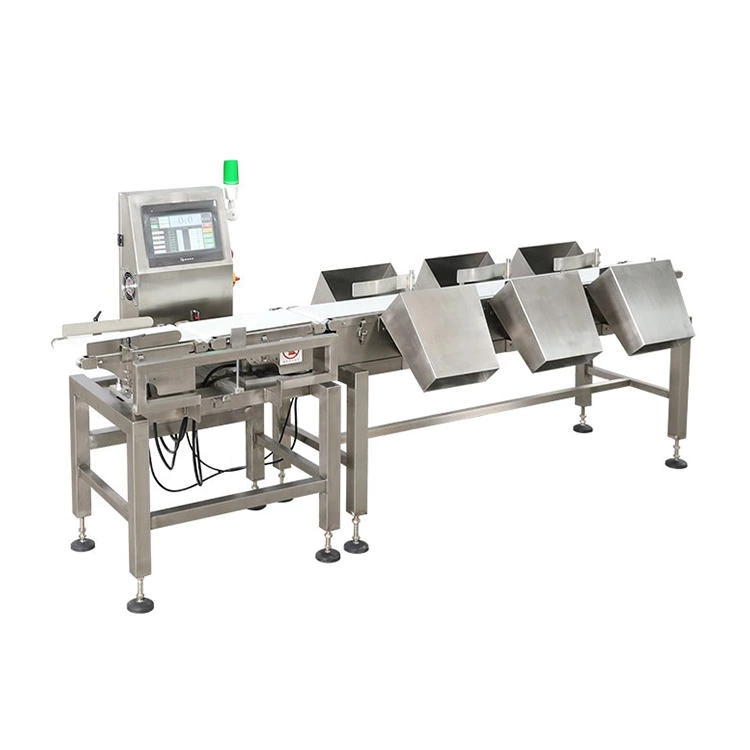
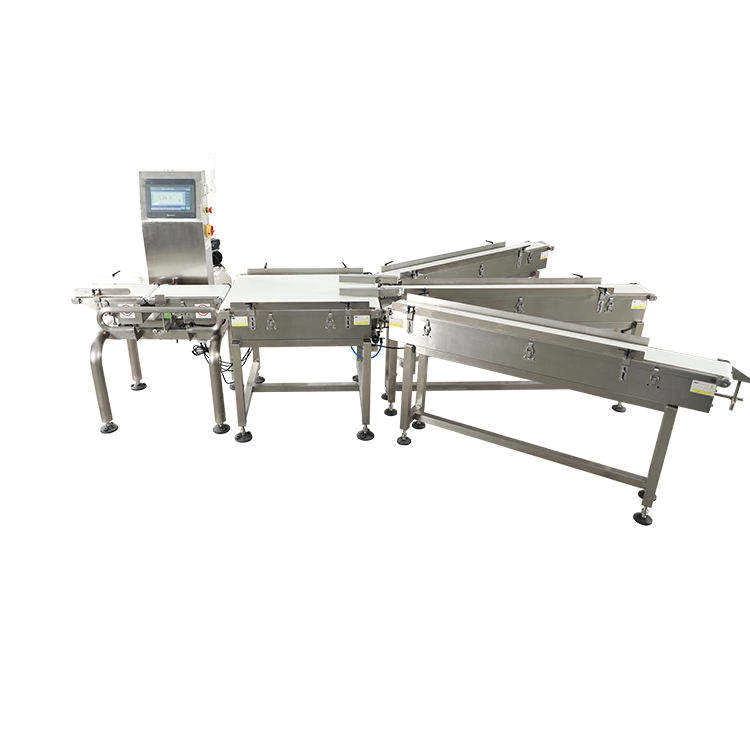
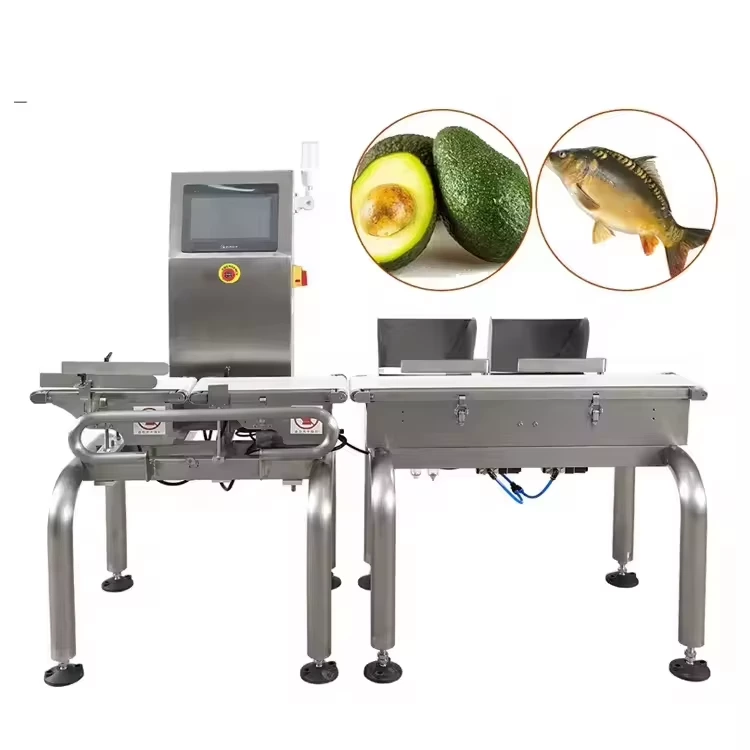
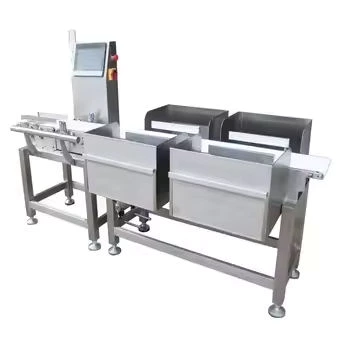
Precision Checkweighing
High-speed dynamic checkweighing — Accurate full-bottle weight verification at 200–400 ppm, matching the fastest beverage lines
Precision to ±0.5g — Meets the strictest legal metrology requirements for declared net content
Statistical process control (SPC) — Real-time weight trend monitoring with automatic documentation, supporting EU average weight (e-mark) compliance and NIST/MID audits
Integrated reject systems — Automatic removal of underweight bottles before they reach casing
Weight-based sorting — Classification of bottles by weight class to a second processing stage where needed
Case Study — Glass Bottle Beverage Producer
Client: A Middle Eastern fruit juice and soft drink producer filling 150M+ glass bottles annually, supplying regional retail chains.
Challenge:
Recurring glass-in-glass contamination risk from line breakage — conventional top-down X-ray missed fragments in bottle walls
Regulatory fines from underweight bottles under national net content law
Line speed of 500 bottles/min required non-stop inspection
New retailer contracts demanded documented inspection and CCP validation
Solution:
Installed side-projection (low-angle) X-ray inspection systems post-filling — glass-in-glass detection, sediment checks, and closure verification in a single pass
Deployed high-speed checkweighers at 500 ppm with ±0.5g precision and SPC data logging
Integrated automatic reject systems at both inspection points
Connected all devices to the plant MES for real-time compliance documentation
Results:
Zero glass-related contamination complaints in 15 months post-installation
Underweight compliance rate improved from 96.8% to 99.97%
Product giveaway reduced by 0.8% — an estimated USD 38,000 annual saving
Passed retailer audit with full CCP documentation delivered digitally
Qualified for two new retail supply contracts