From IQF vegetables to ice cream and frozen seafood
precision detection, weight control, and sorting technology engineered for sub-zero environments, frost-prone lines, and the fastest speeds in food processing.
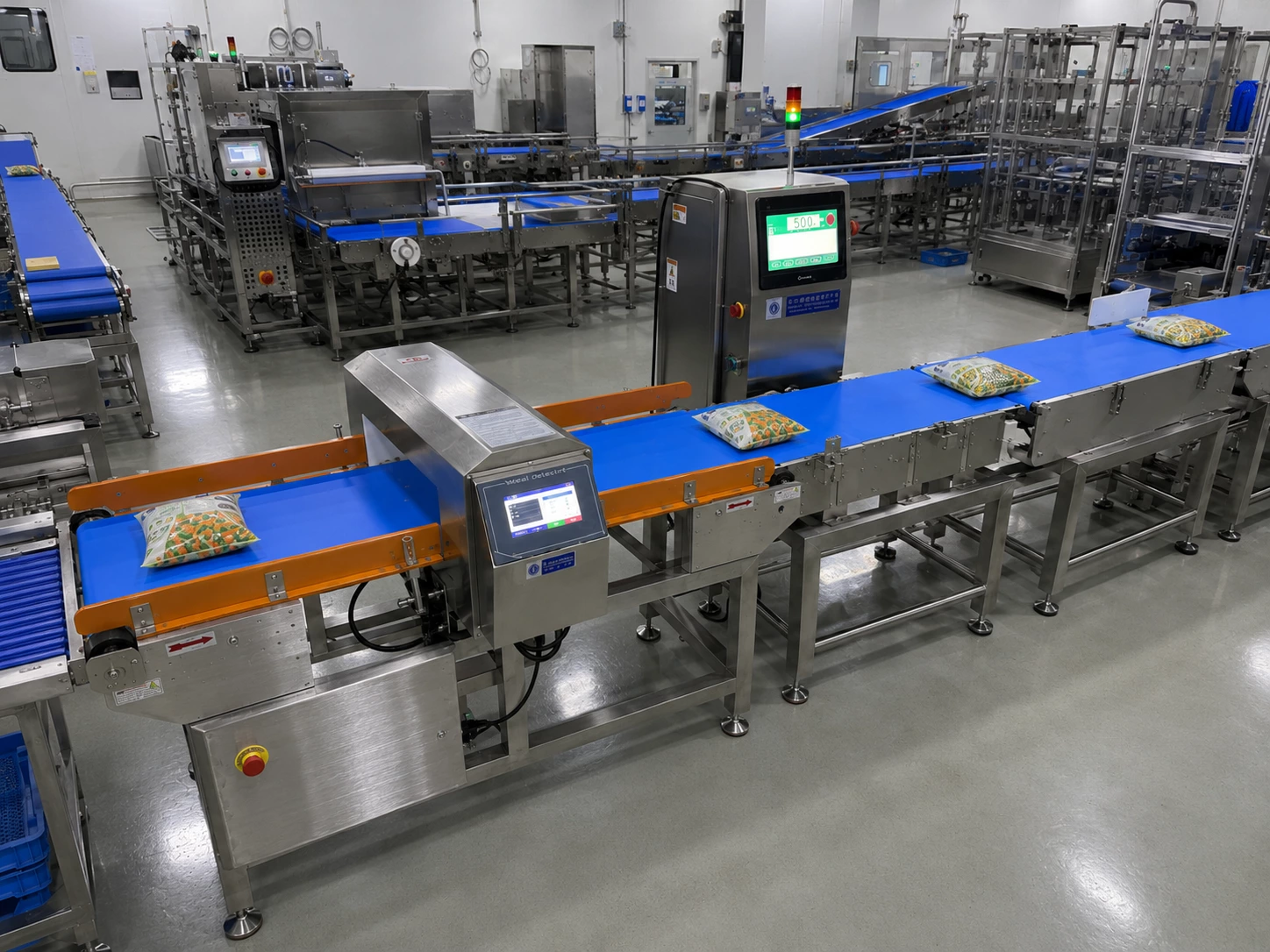
Industry Challenges
Extreme Low-Temperature Operation
Frozen food inspection equipment must operate reliably in cold rooms and freezer tunnels at -18°C to -30°C, often adjacent to blast freezers and spiral freezers. Sub-zero environments cause condensation, frost buildup, bearing failure, and LCD/electronic malfunction in equipment not designed for these conditions. Every machine on a frozen line must be freezer-rated.
Product Effect from Ice & Moisture
Ice crystals and residual surface moisture in frozen products generate strong electromagnetic signals that interfere with metal detection — the classic "product effect." As products thaw slightly on the line or fluctuate in temperature, their electrical properties shift, making consistent detection performance extremely difficult without advanced multi-frequency compensation.
Dense, Irregular Product Matrix
Frozen products are physically dense — ice and compacted food matrix reduce X-ray contrast between contaminants and product. Irregular shapes (whole fish, broccoli florets, chicken pieces) create variable density profiles that complicate detection algorithms. Dual-energy X-ray technology is often required to distinguish low-density contaminants like cartilage or insect fragments from product.
Frost, Condensation & Hygiene Conflict
Frozen food hygiene demands regular washdown, yet freezer environments promote frost and condensation. Equipment must withstand both high-pressure hot water washdown (IP69K, CIP-friendly) AND continuous sub-zero operation without water ingress, seal failure, or frost damage. This dual requirement defines true "freezer-grade" engineering.
Our Solution
Foreign Object Detection
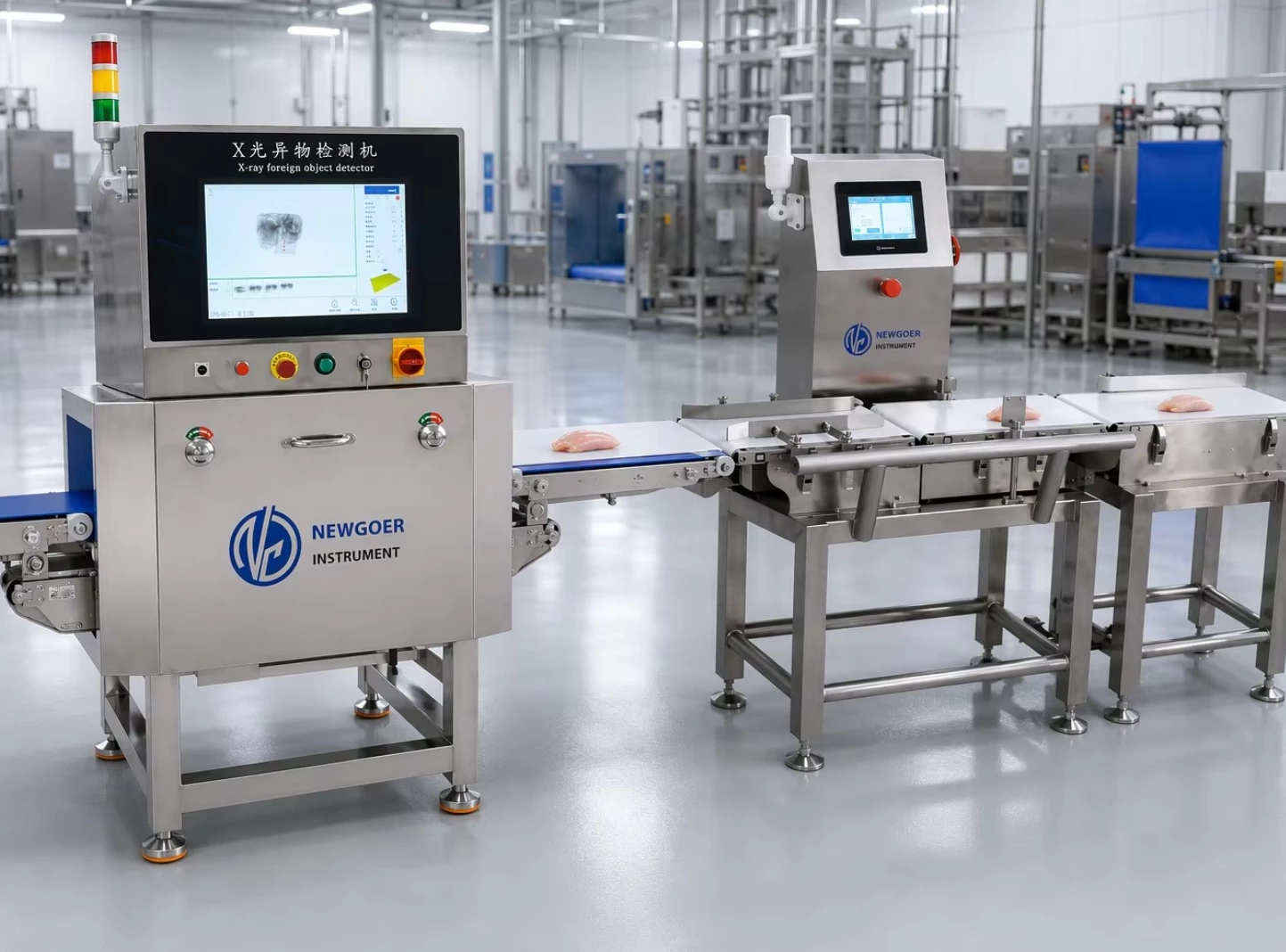
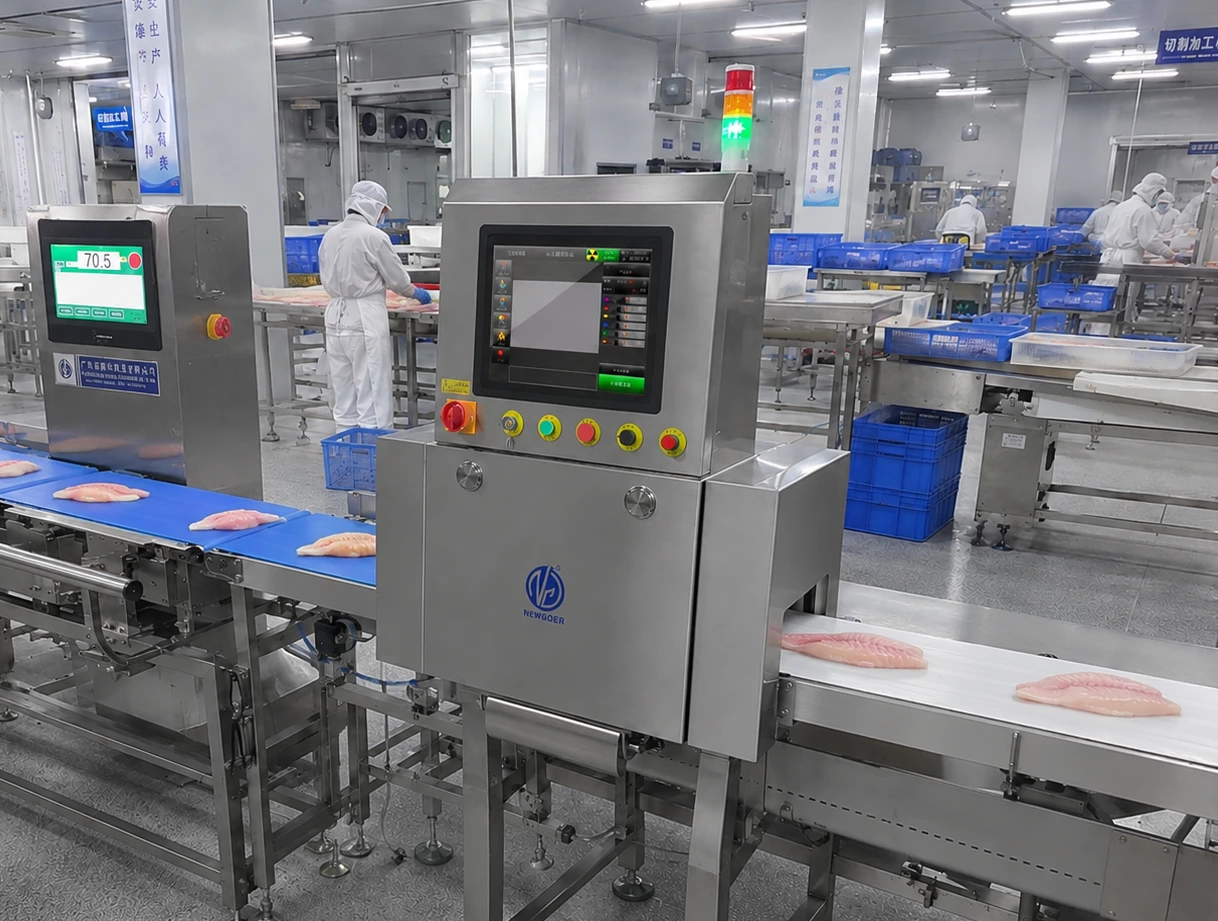
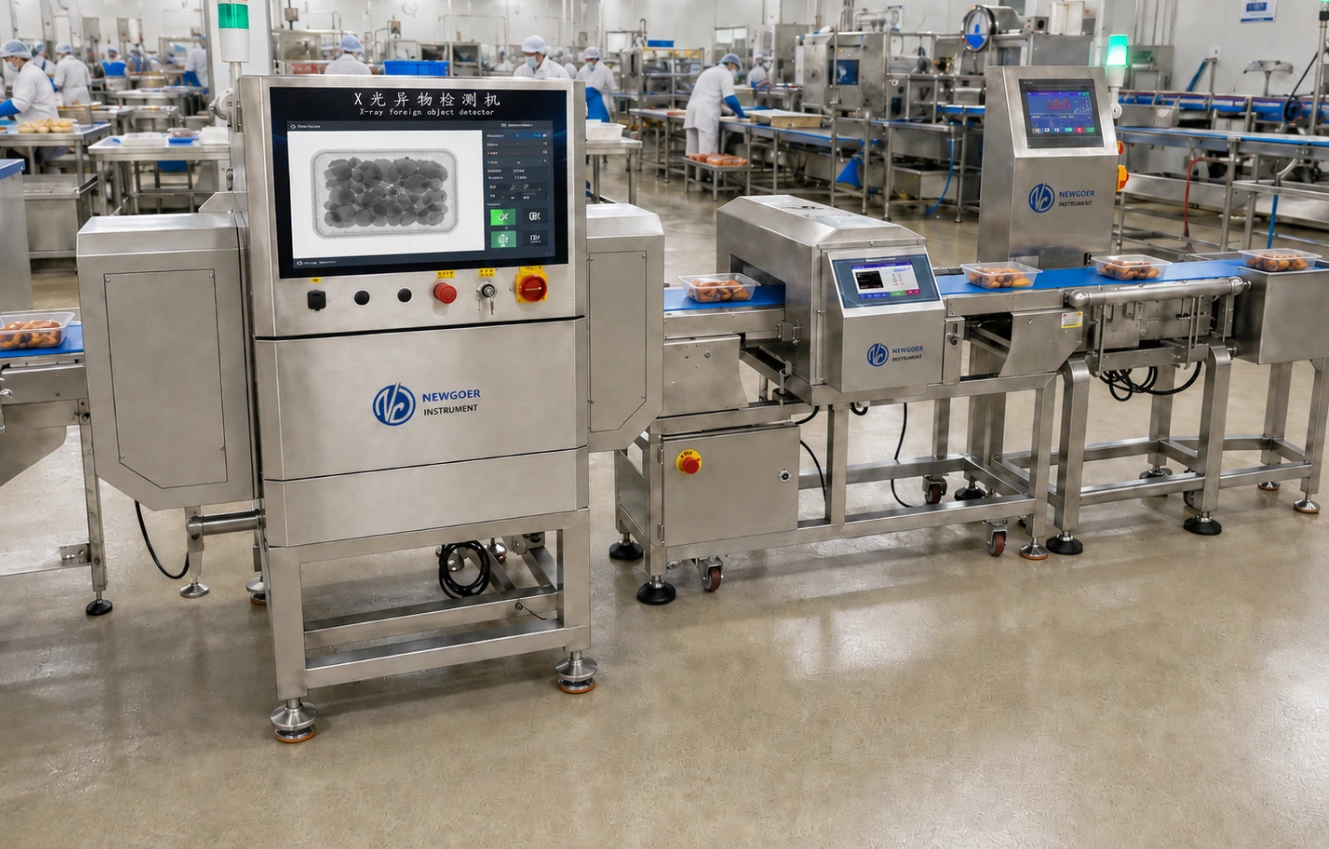
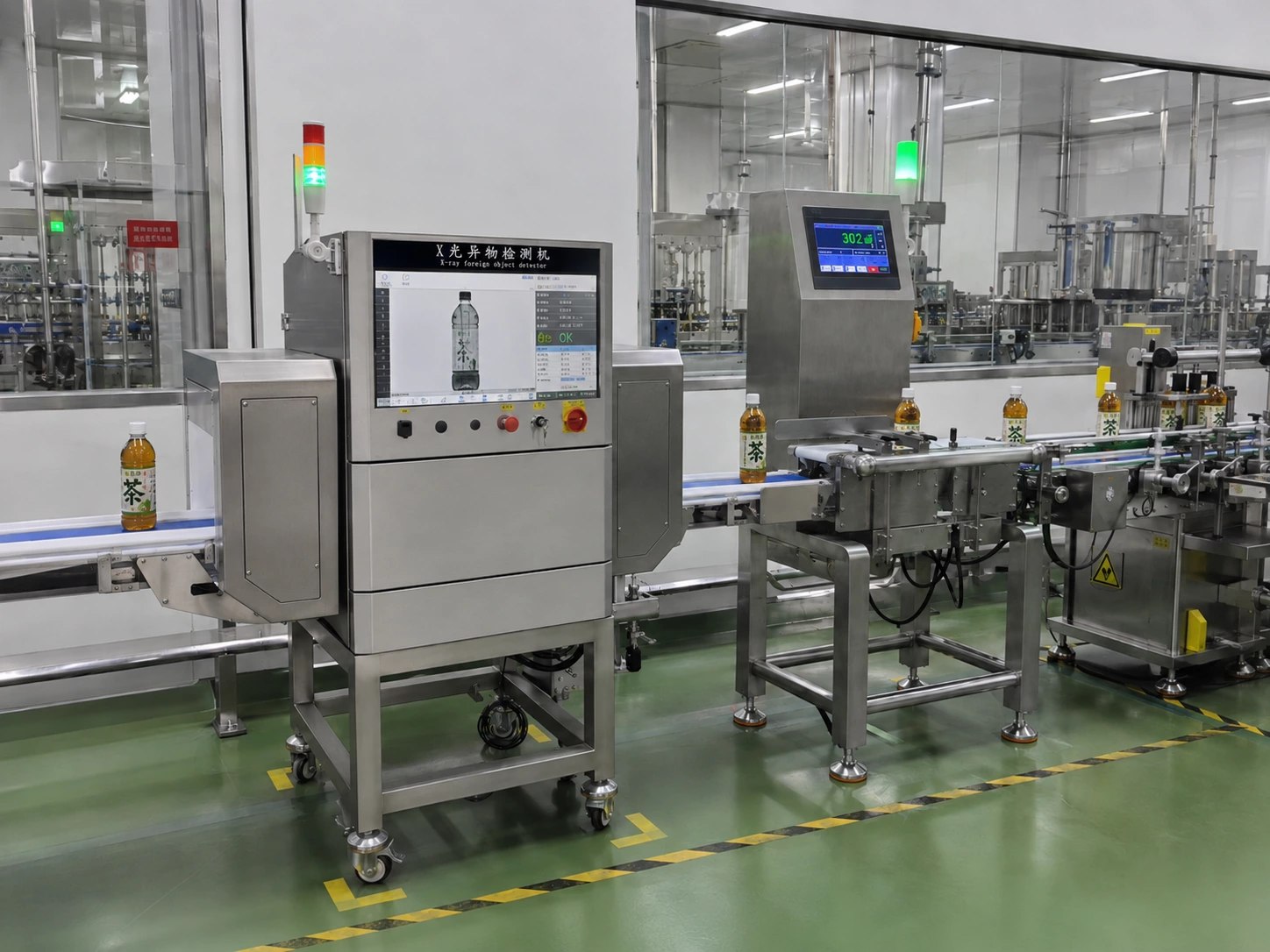
Frozen foods present one of the widest contamination spectrums in the industry — metal fragments from processing equipment, bone and shell from raw materials, stones from vegetables, glass from broken packaging, and even insect fragments. Our integrated X-ray and metal detection solutions are engineered specifically for sub-zero performance.
Metal Detection
Freezer-rated construction — Heating elements in key components prevent frost and condensation inside the detector aperture; no false rejects from moisture drips
Multi-Simultaneous Frequency Technology — Compensates for product effect from ice, surface moisture, and temperature fluctuation in frozen meat, seafood, and vegetables
Pipeline systems — For pumped frozen slurries, ice cream mix, and sauces pre-freezing
Conveyor systems — For packed and packaged frozen goods (cartons, poly bags, trays)
Weight Control & Checkweighing
Freezer-rated load cells — Precision ±0.5g at -25°C without drift; condensation-protected electronics
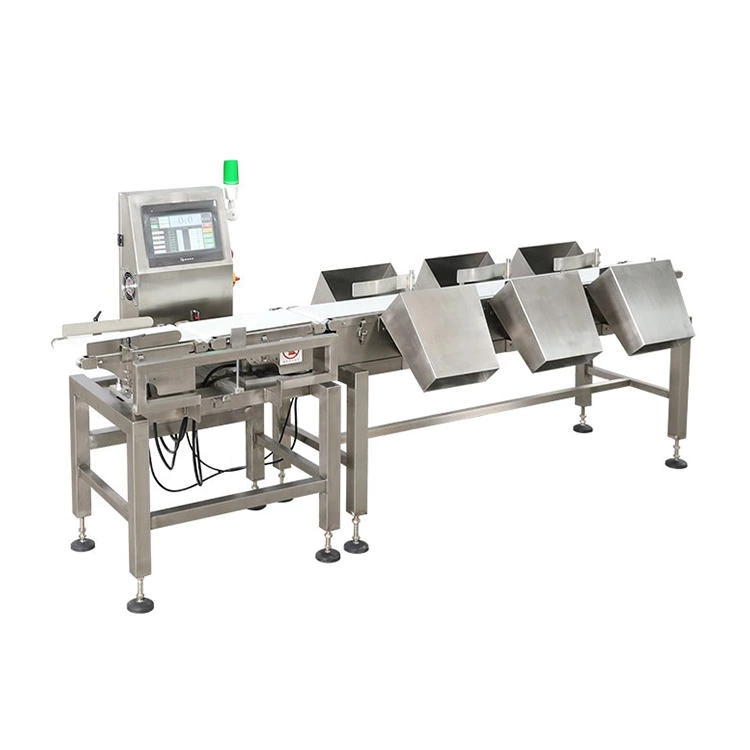
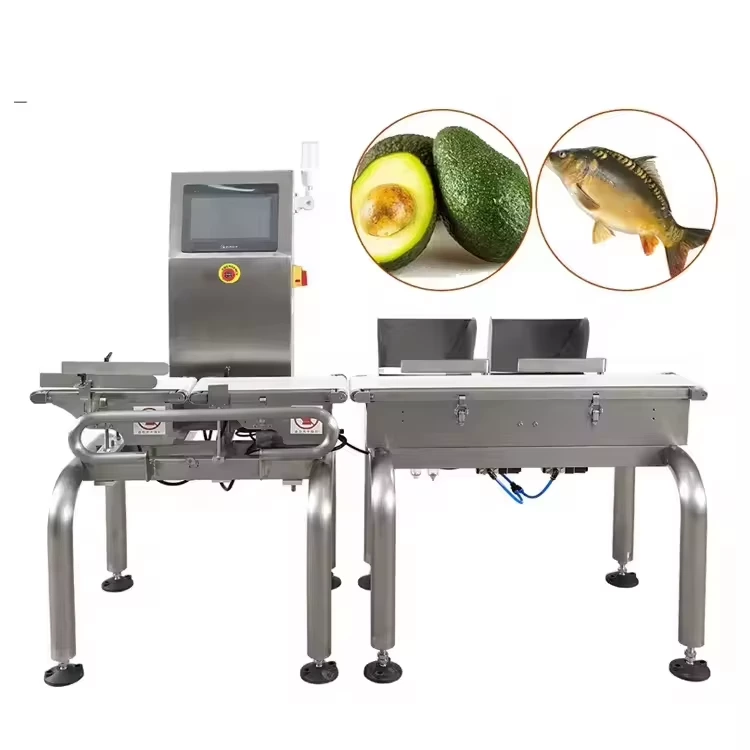
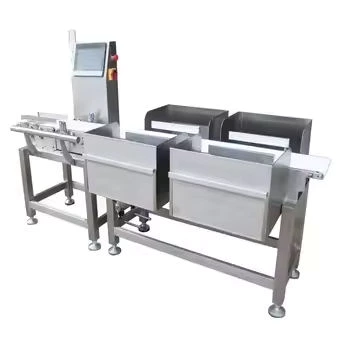
High-speed checkweighing — Accurate weight verification at 300 ppm to match the fastest frozen lines
Product giveaway reduction — Frozen food margins are thin; every 1g saved per pack on a high-volume line can equal USD 30,000+ annually
Legislative compliance — Underweight packages violate weights & measures regulations; checkweighing provides documented proof of compliance
Sorting & Grading
IQF product sorting — Weight-grading of free-flowing shrimp, chicken pieces, and vegetable mixes into commercial grade categories (e.g., shrimp count per kg)
Cryogenic-compatible construction — Freezer-rated sorters operate inside cold rooms without lubrication failure
Combination weighing — Multi-head weighers portion IQF peas, corn, mixed vegetables, and seafood into retail packs at up to 120 weighments/minute with ±1g accuracy
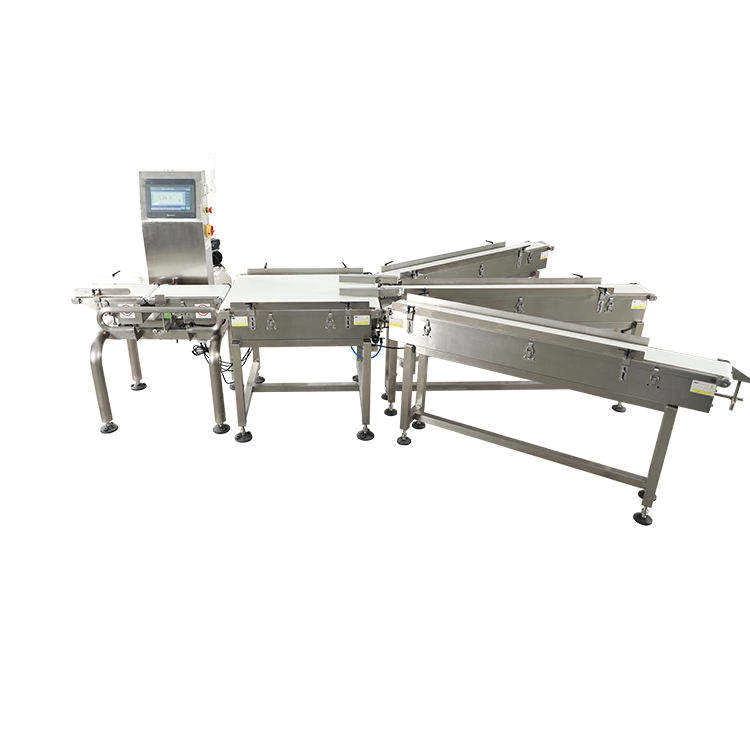
Multi-lane distribution — Balanced product flow to multiple packing stations
Case Study
Case Study — IQF Vegetable Processor
Client: A Latin American IQF vegetable exporter supplying frozen corn, peas, and mixed vegetables to US and EU retail chains.
Challenge:
Multiple recalls from stones and glass fragments in packed product; retailer contracts at risk
Existing metal detectors could not detect non-metal contaminants and suffered constant false rejects from ice formation
Line speeds of 450 ppm outpaced current inspection capability
BRCGS audit scheduled; physical hazard CCP validation required
Solution:
Installed dual-energy X-ray inspection system on packed cartons — detects stones, glass, insect fragments, and metal in one pass
Deployed gravity (free-fall) metal detectors on IQF product streams pre-bagging — freezer-rated with heated apertures eliminating frost false rejects
Integrated high-speed checkweighers at 450 ppm with ±1g precision and automatic reject
Added multi-head combination weighers for accurate retail portioning, cutting giveaway
Results:
Zero foreign object complaints or recalls in 18 months post-installation
False reject rate reduced from 4.5% to 0.2%
Passed BRCGS audit with zero non-conformities
Product giveaway reduced by 1.2% — an estimated USD 55,000 annual saving
Retained two major retail contracts previously at risk of termination